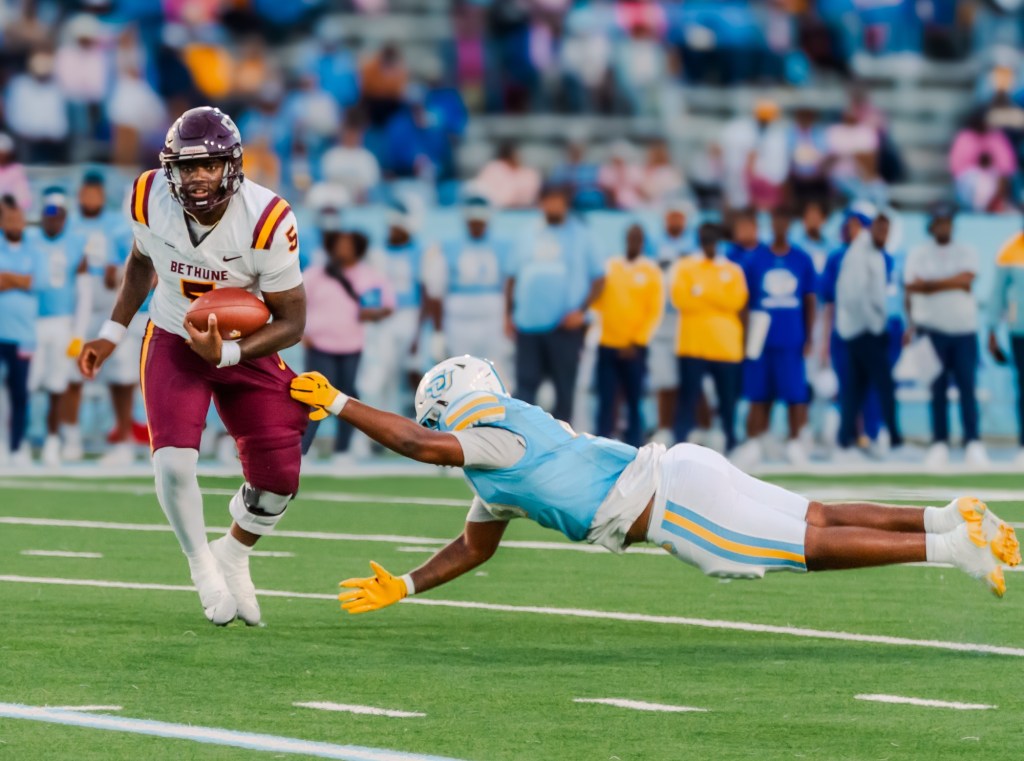
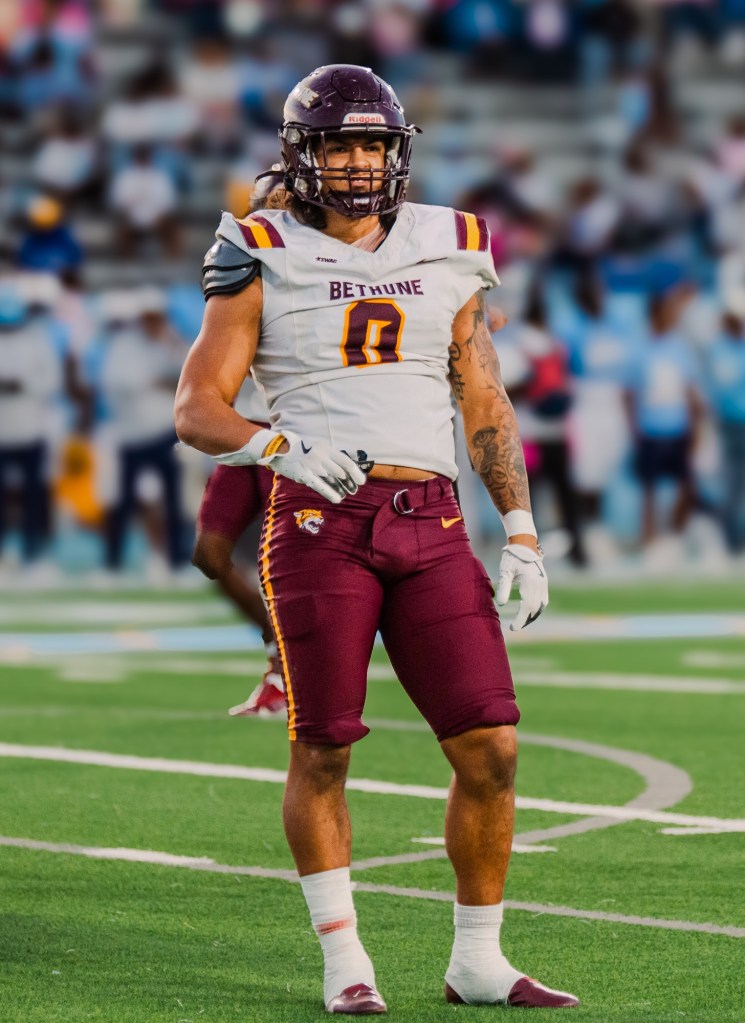
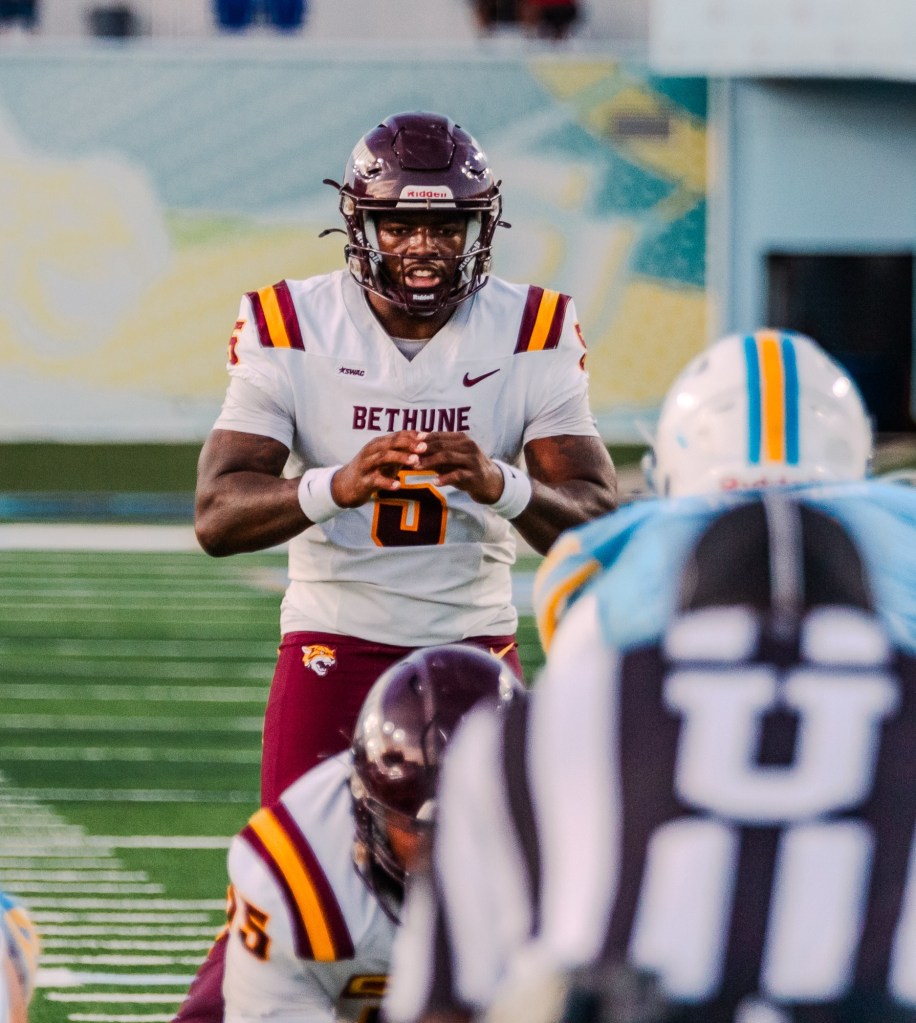
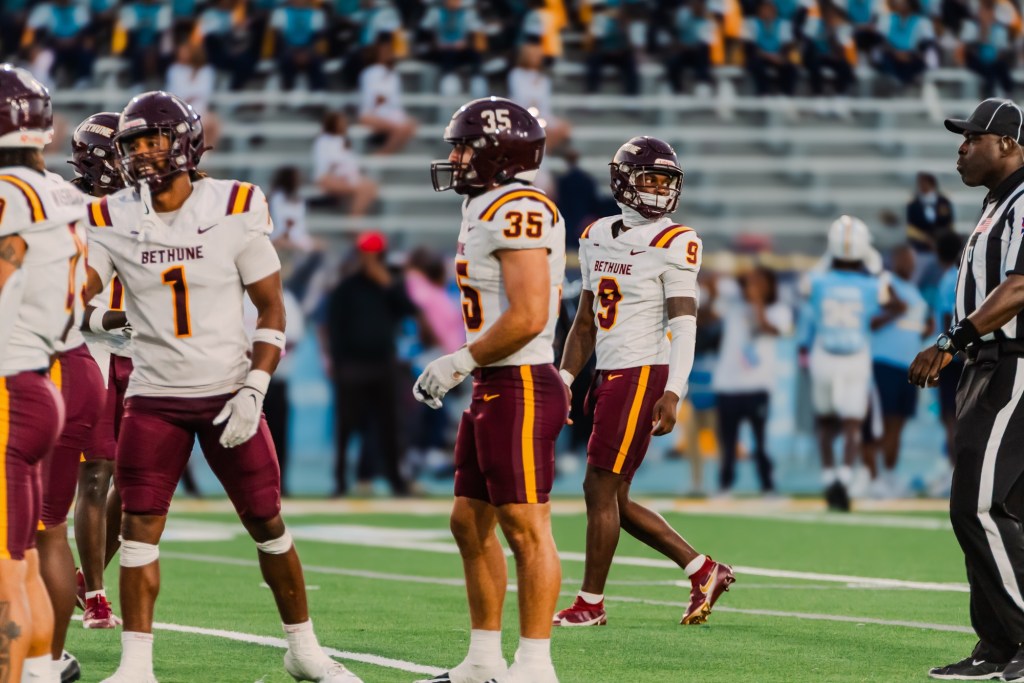
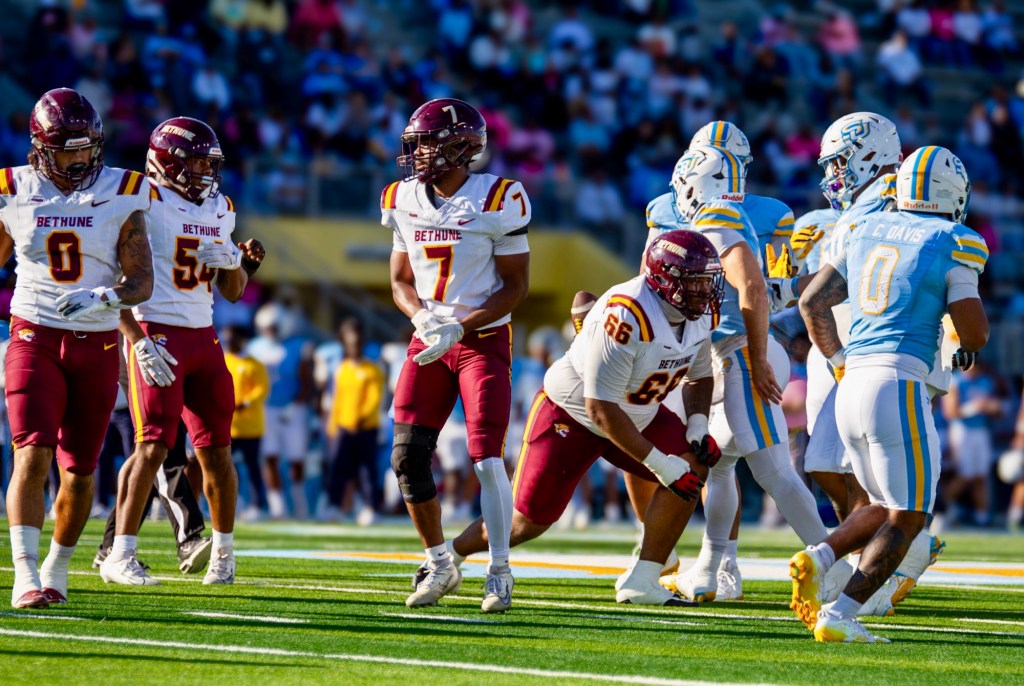
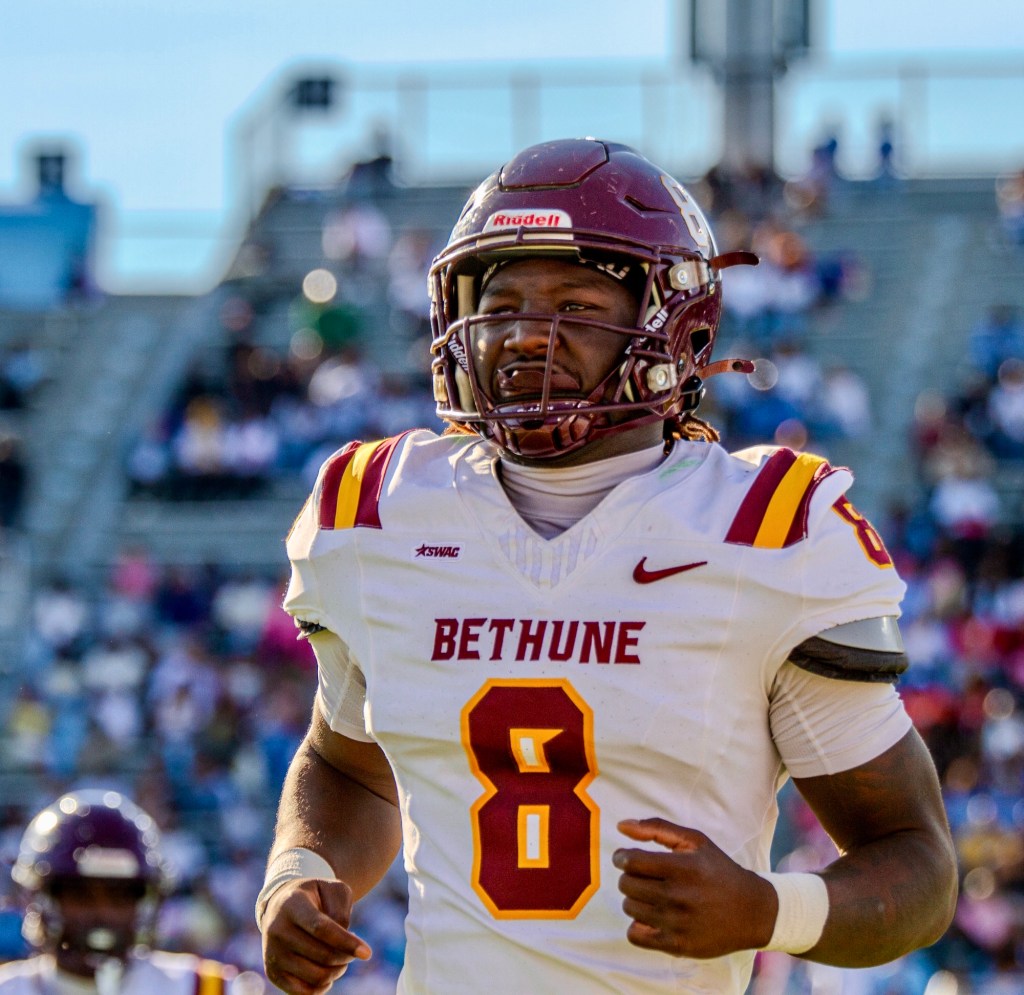
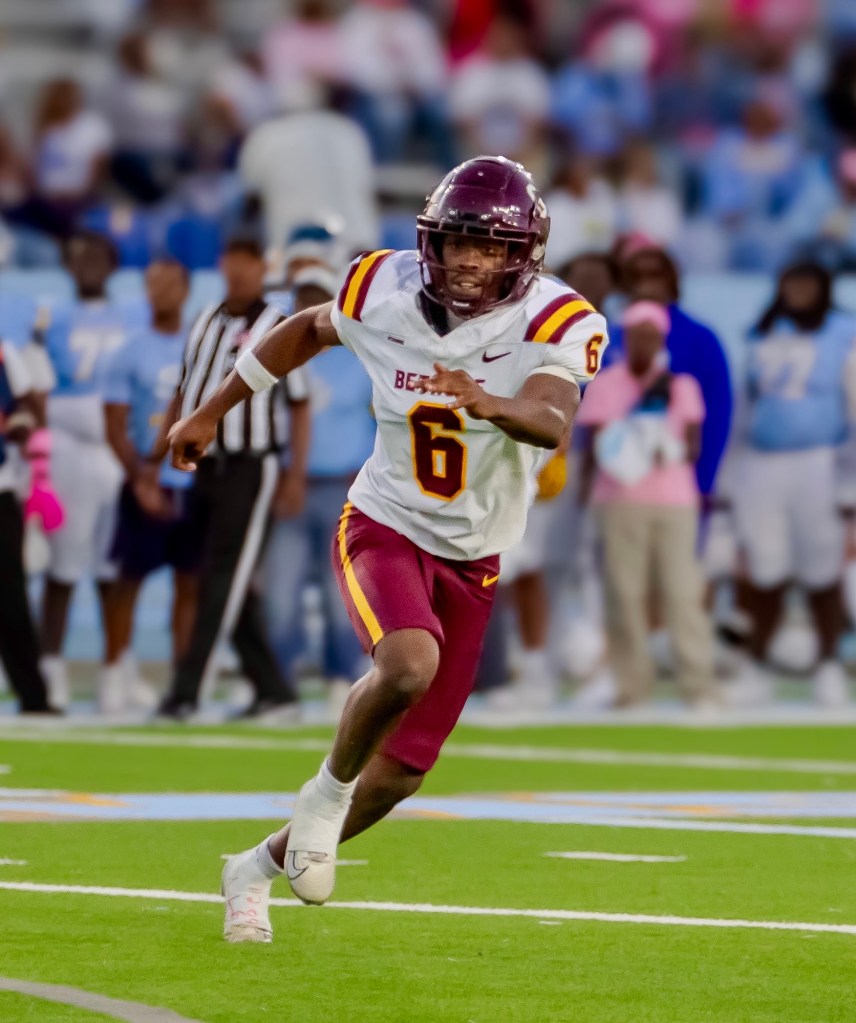
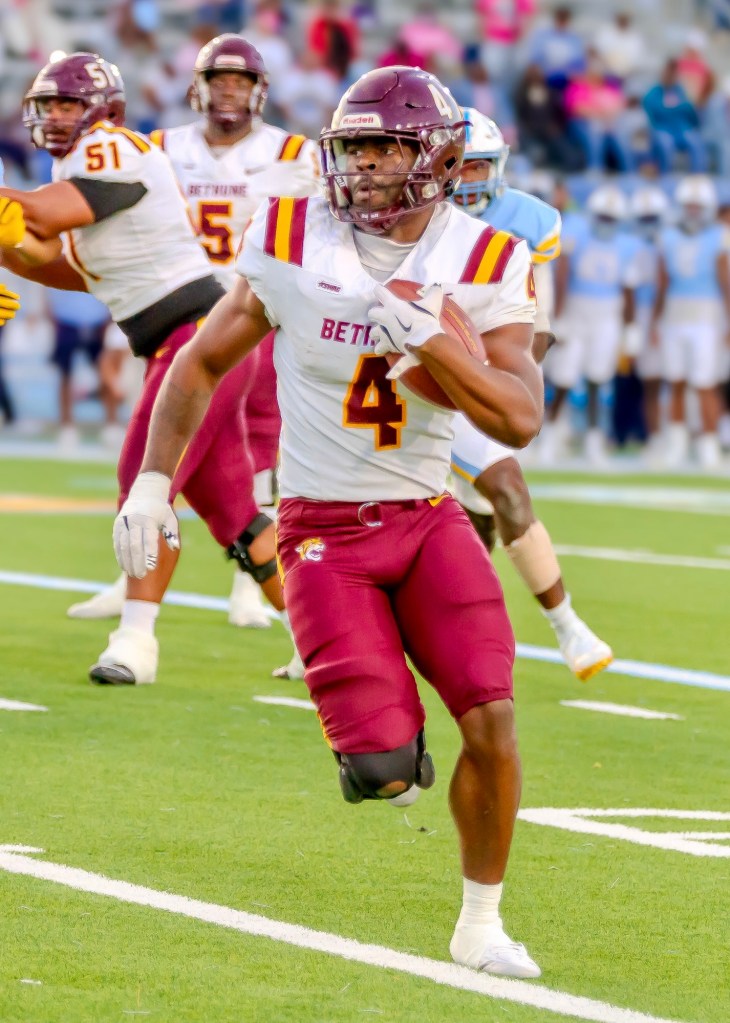
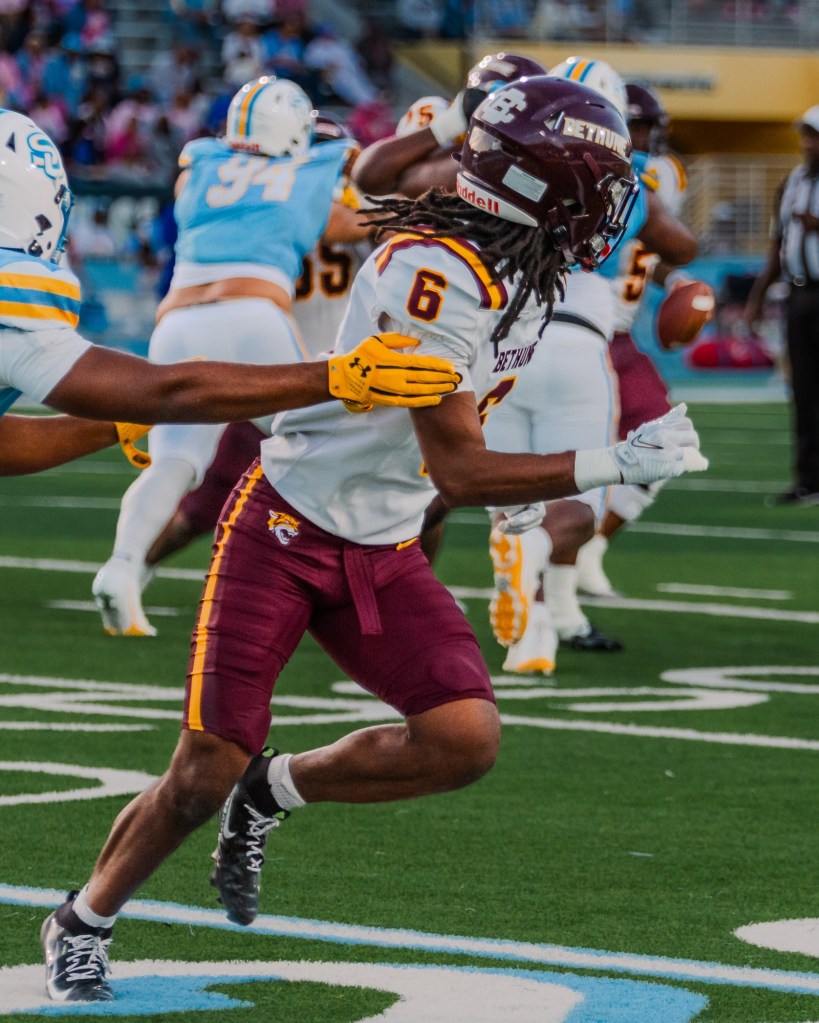
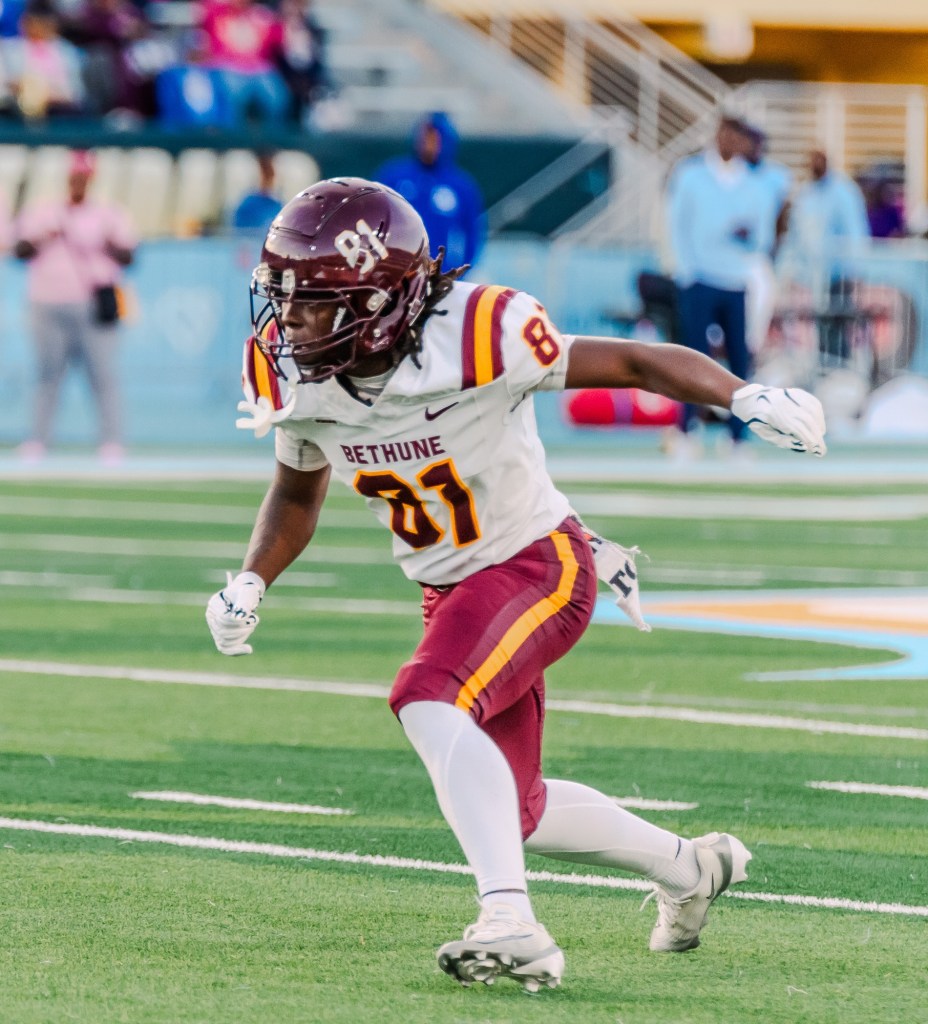
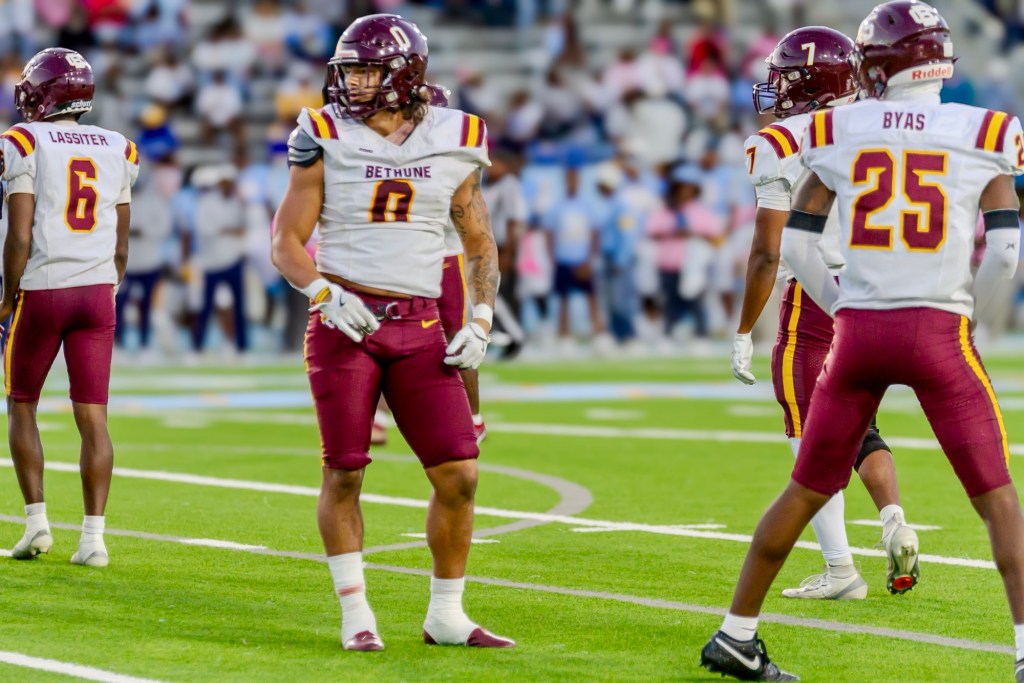
Bethune-Cookman vs Grambling 2026 Game Photos

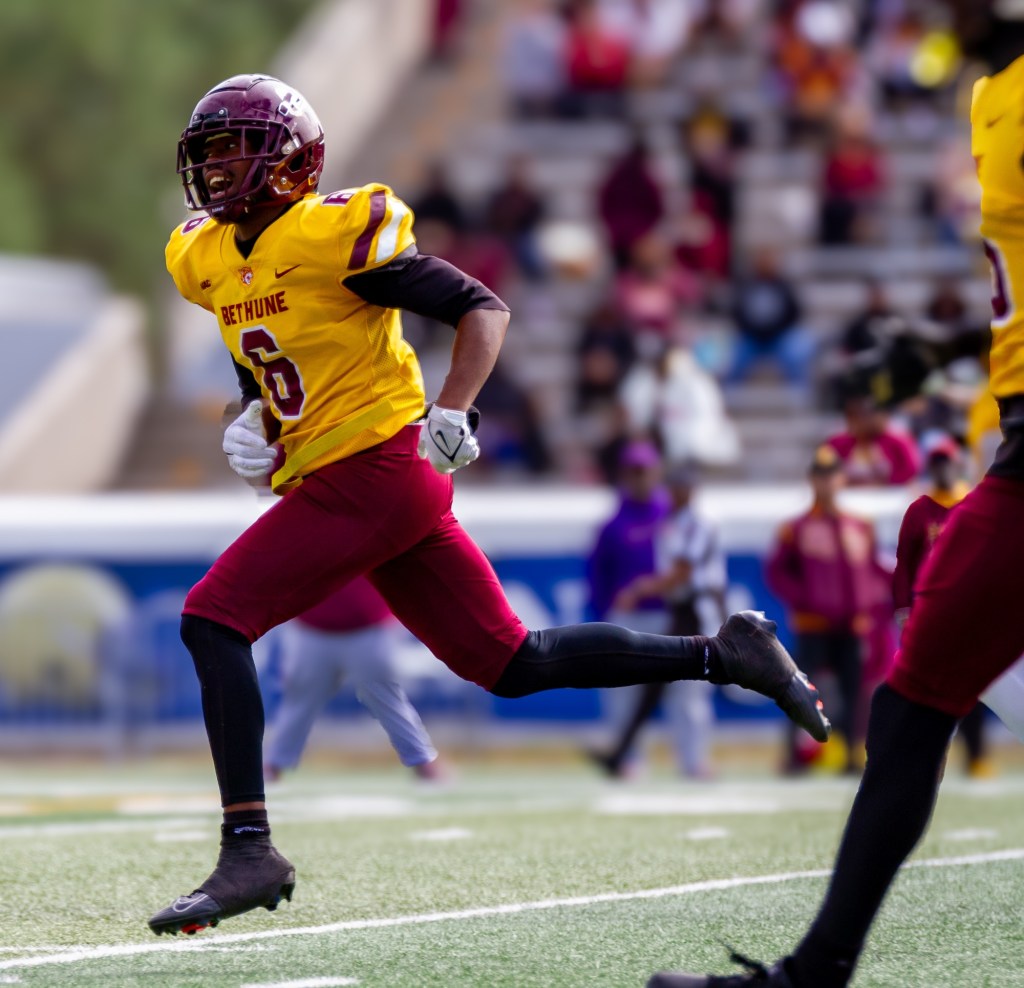
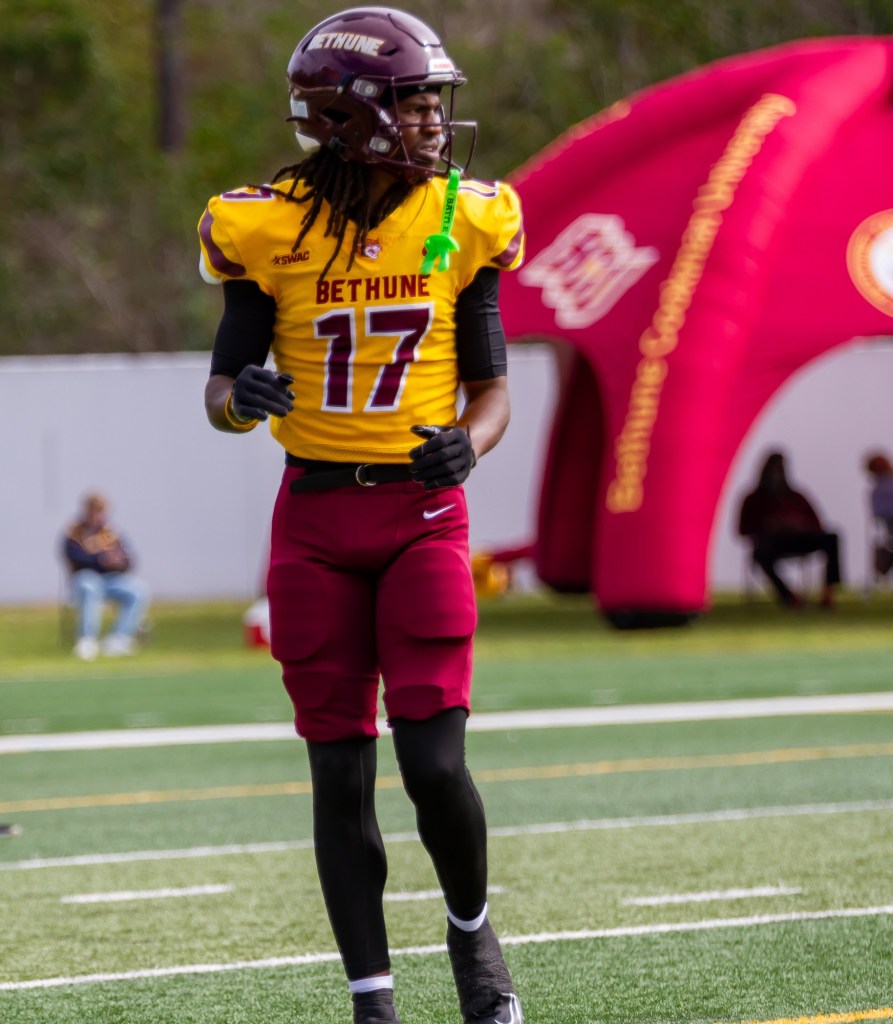
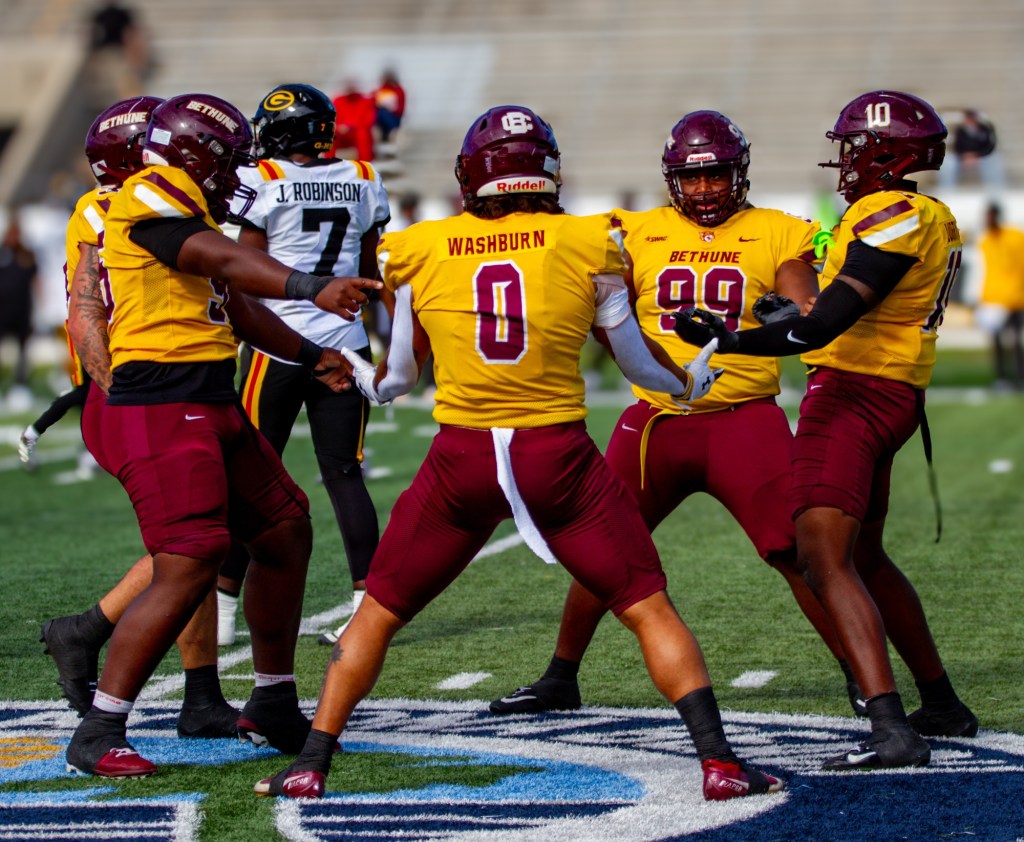
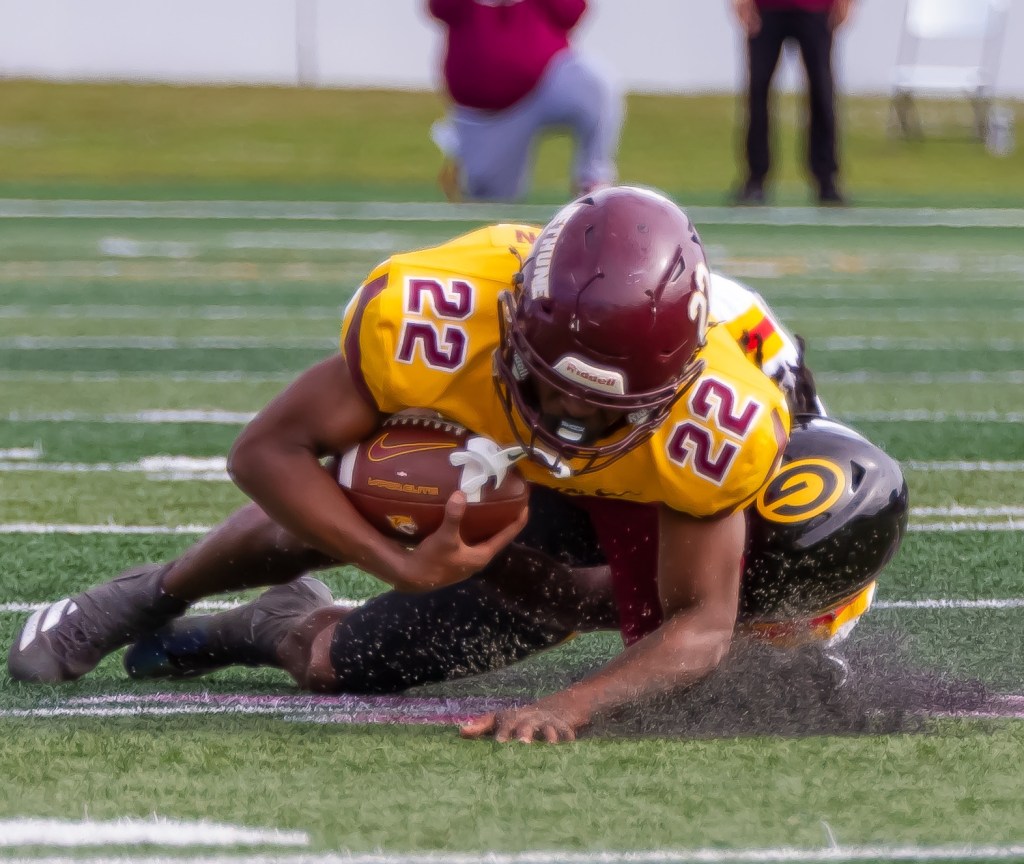
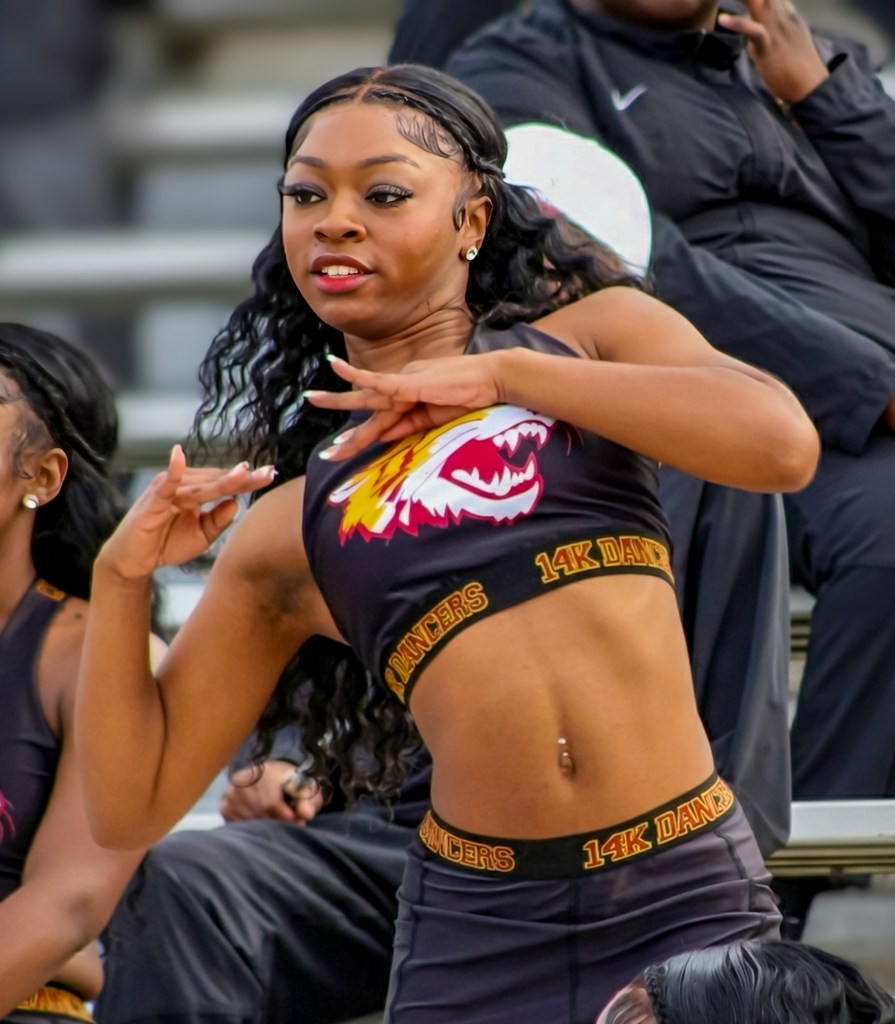
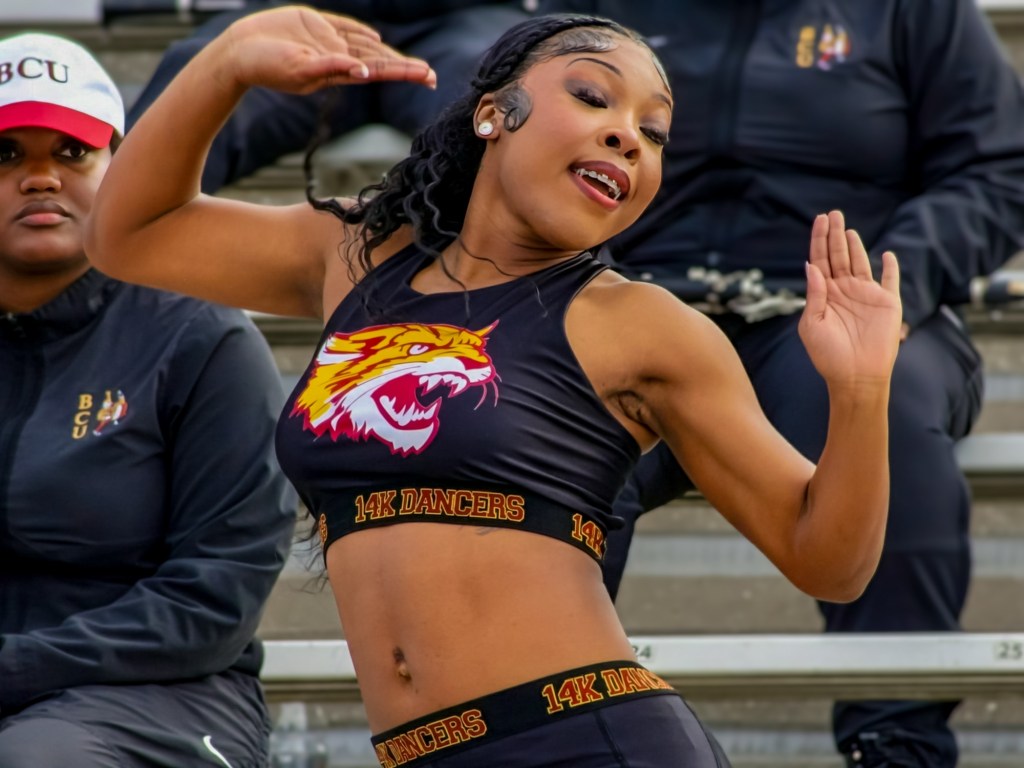
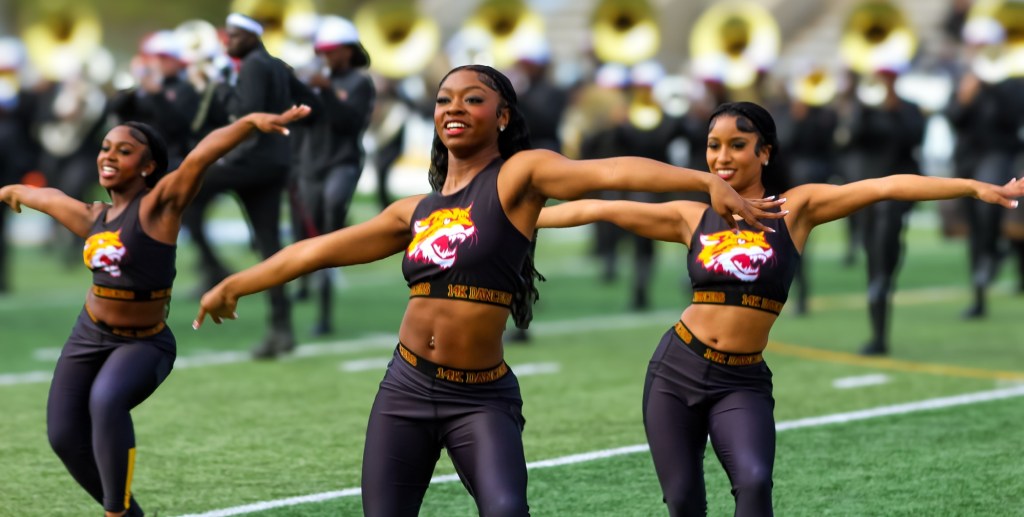
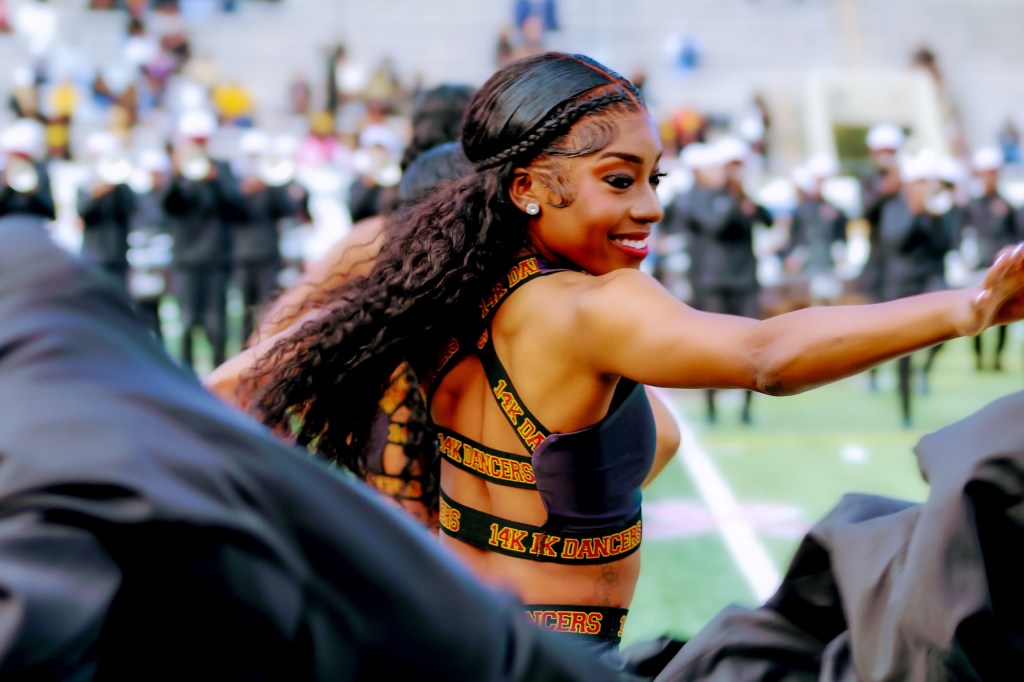
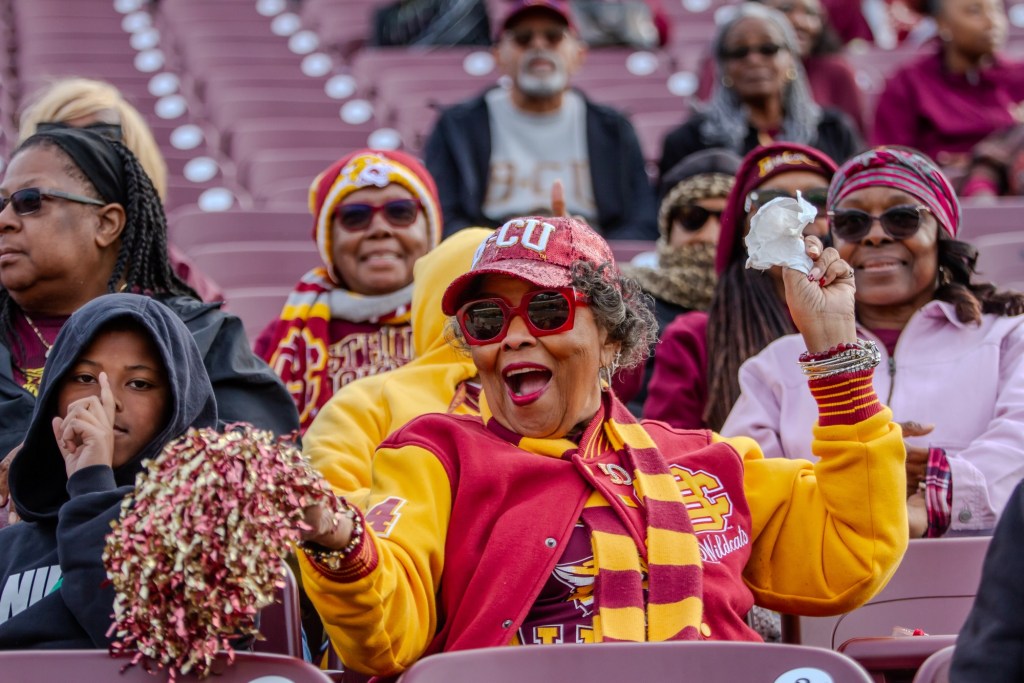
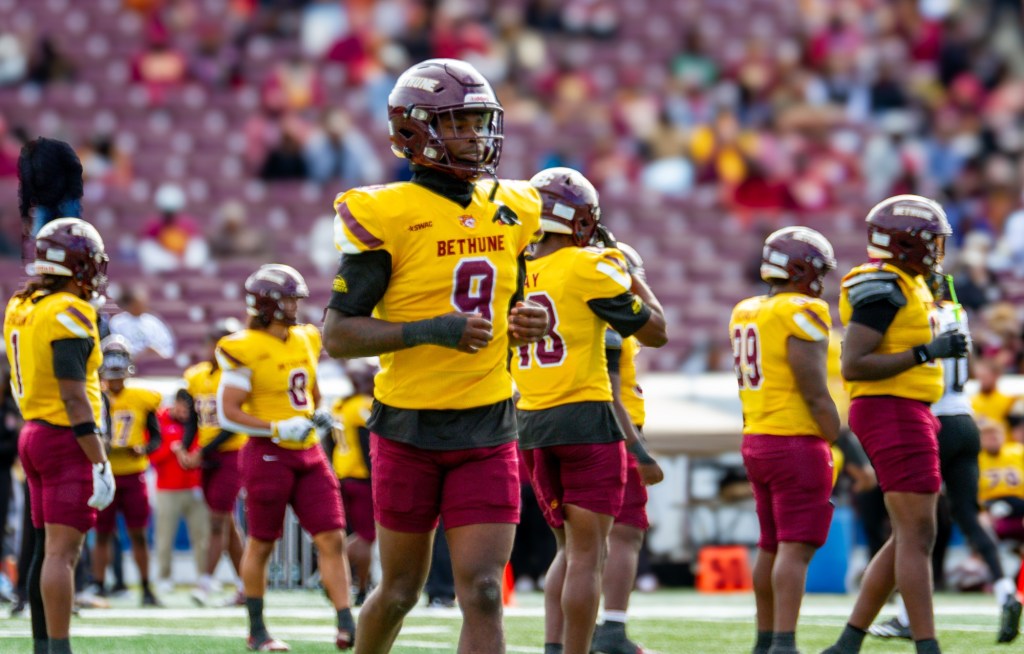
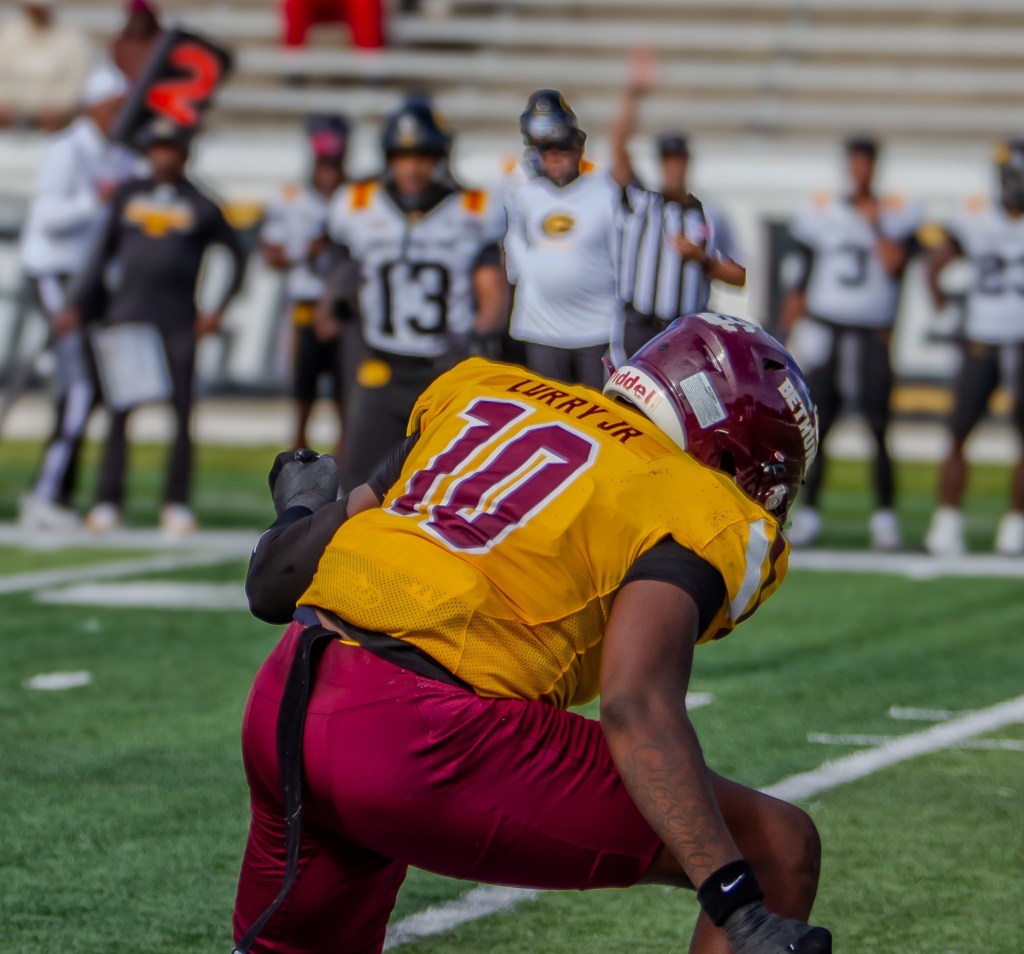
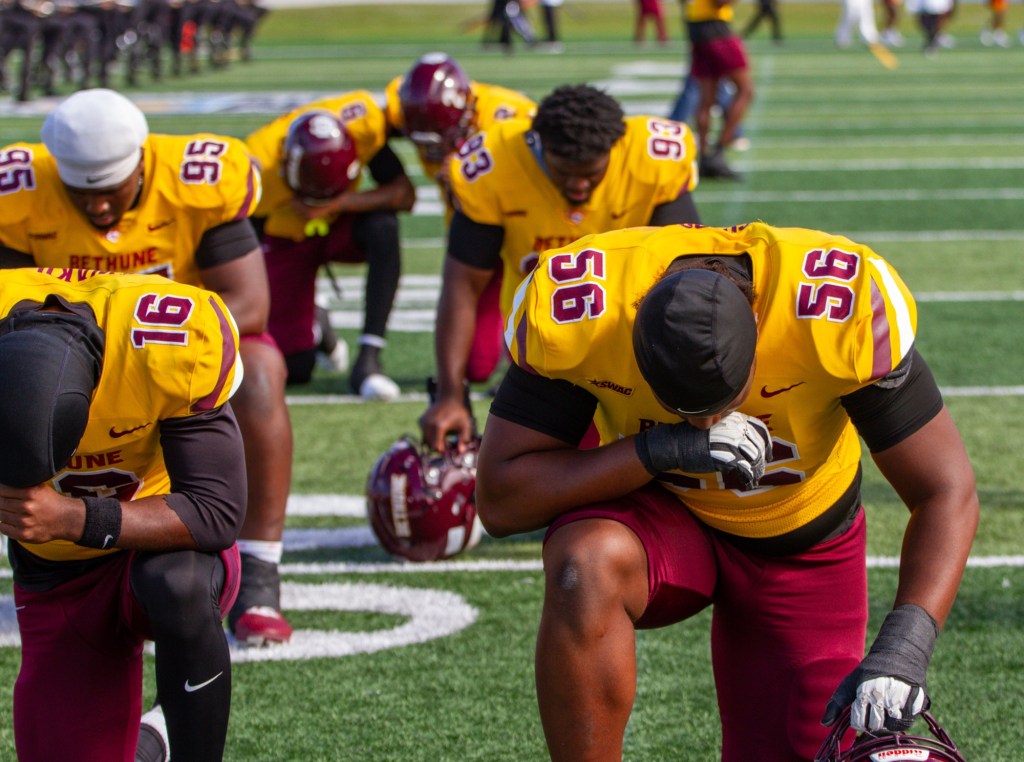
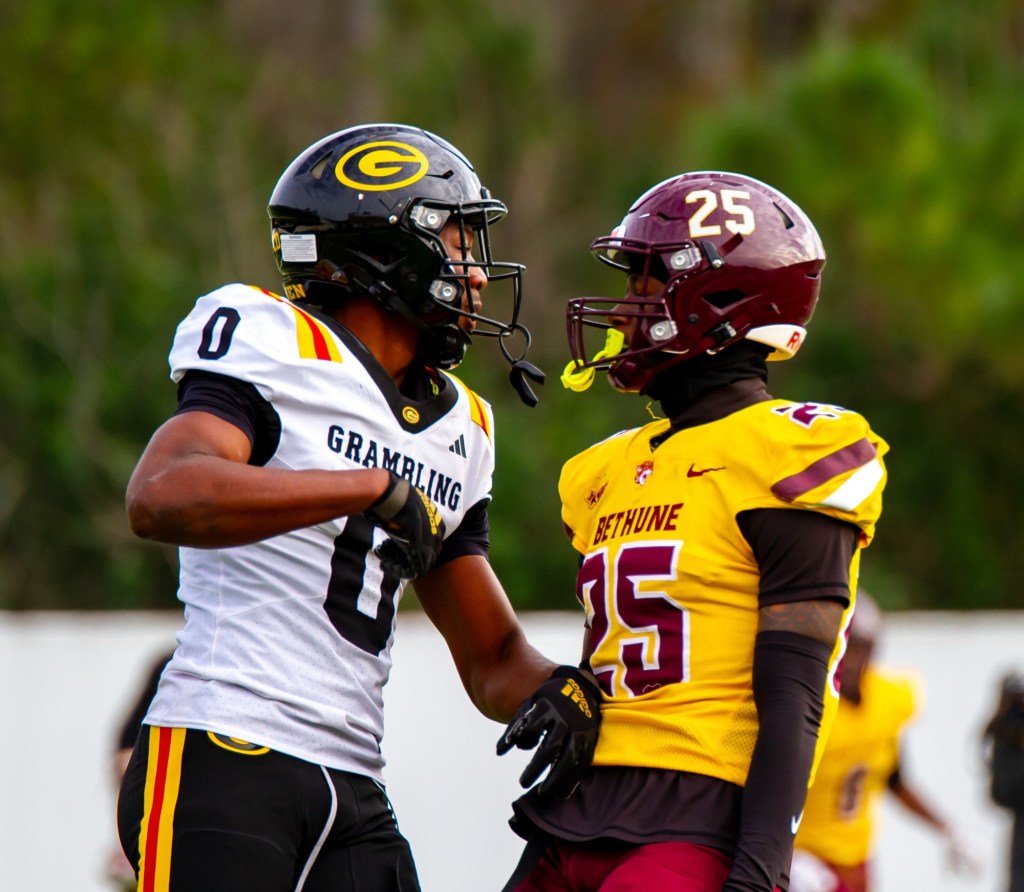
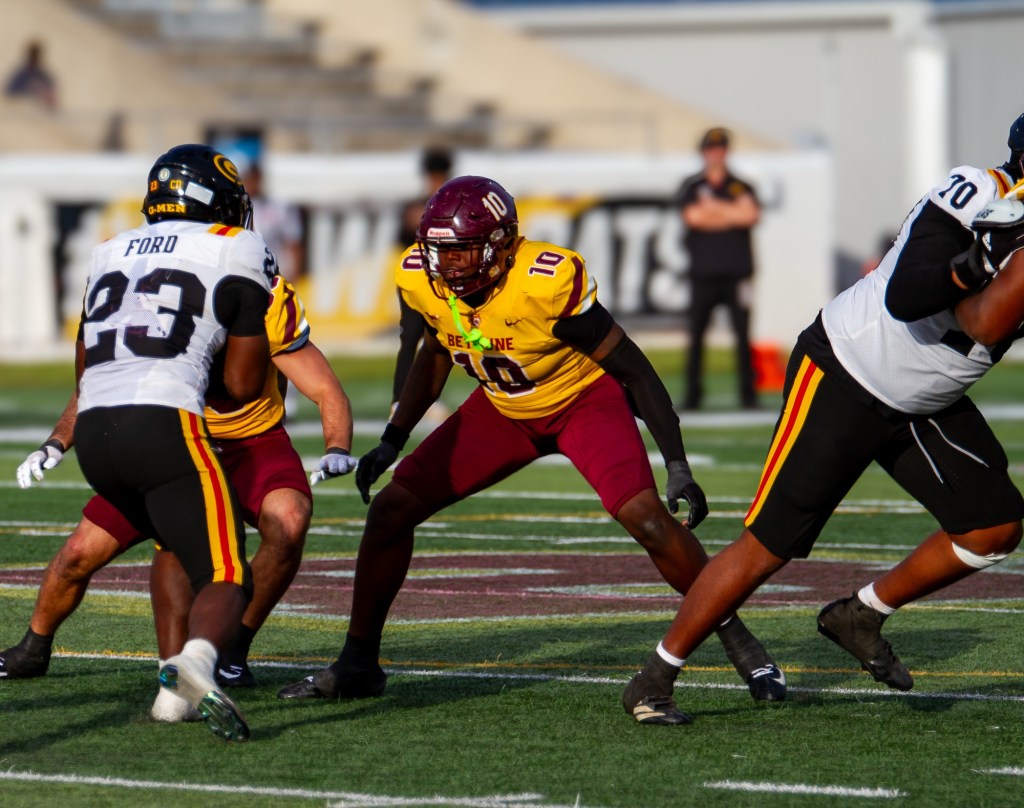
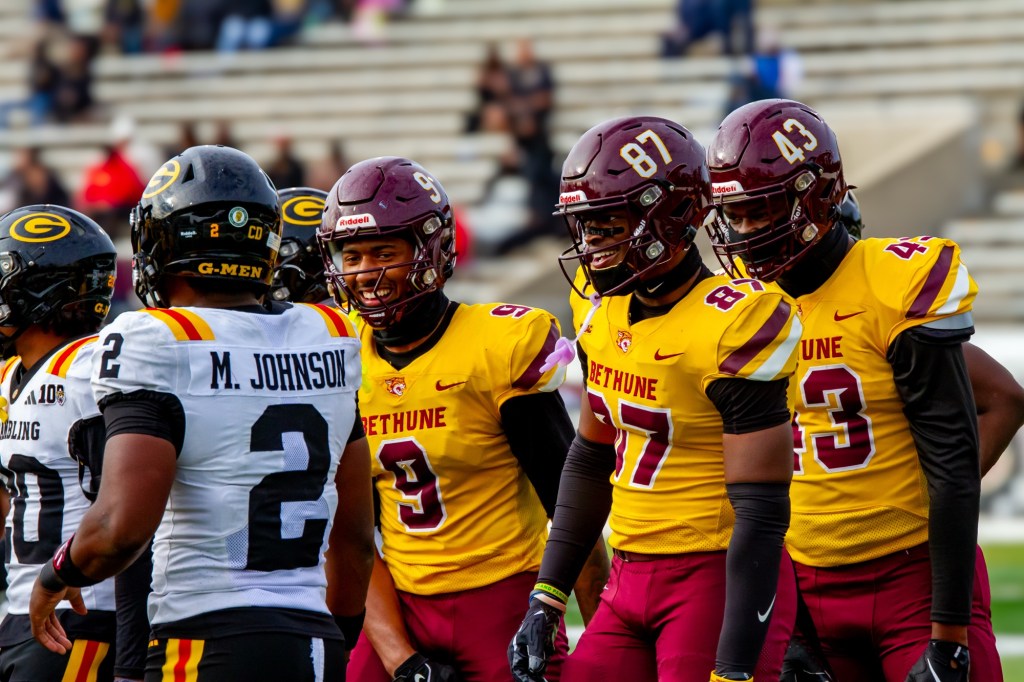
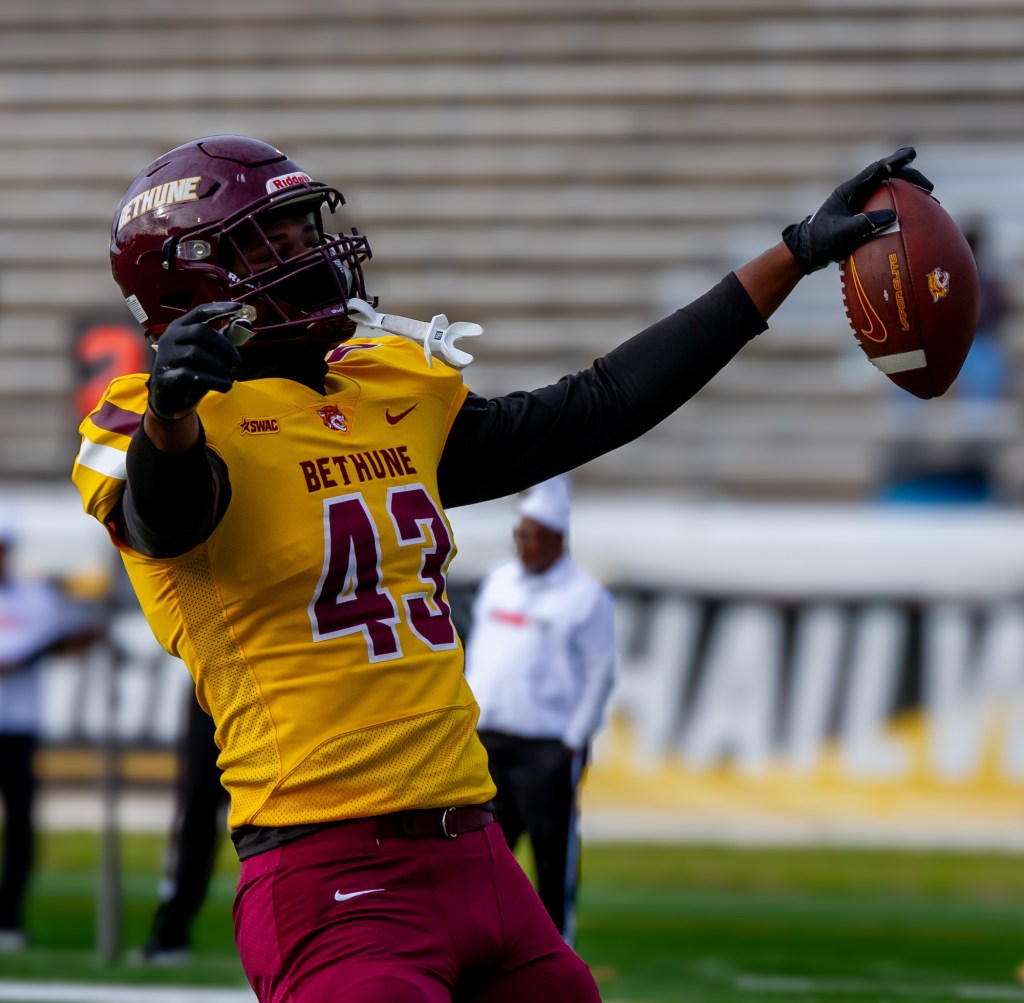
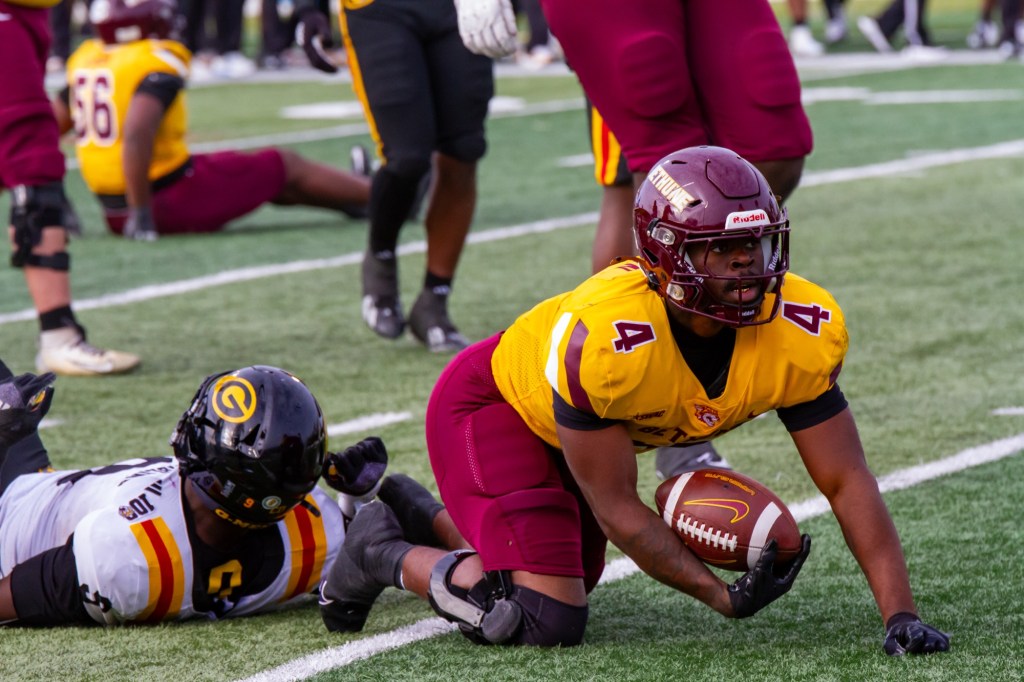
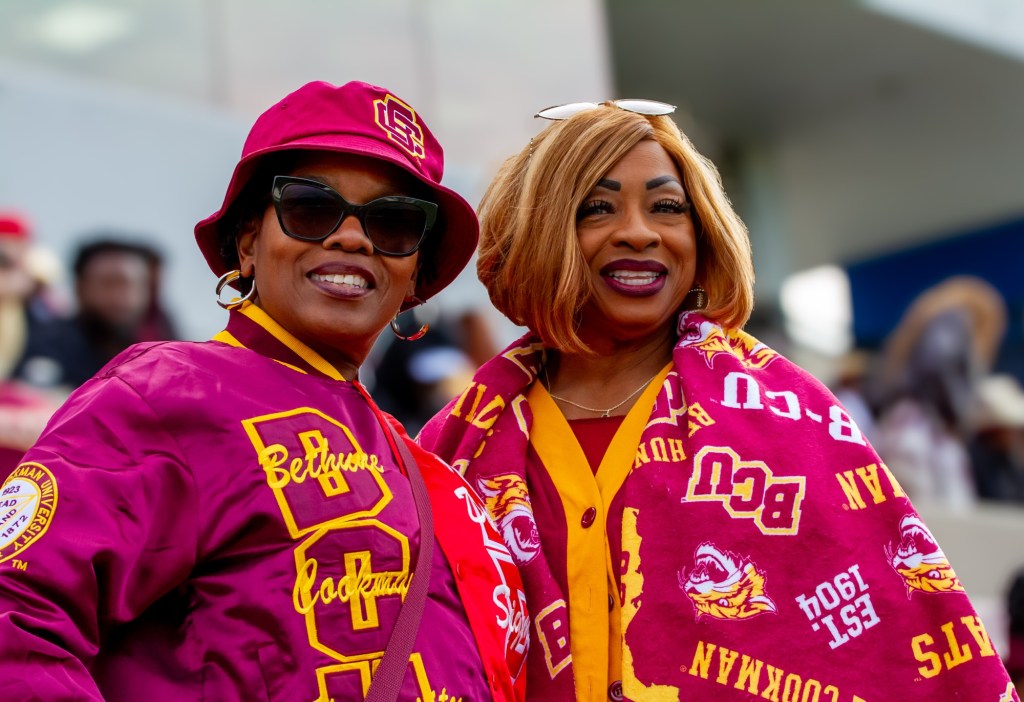
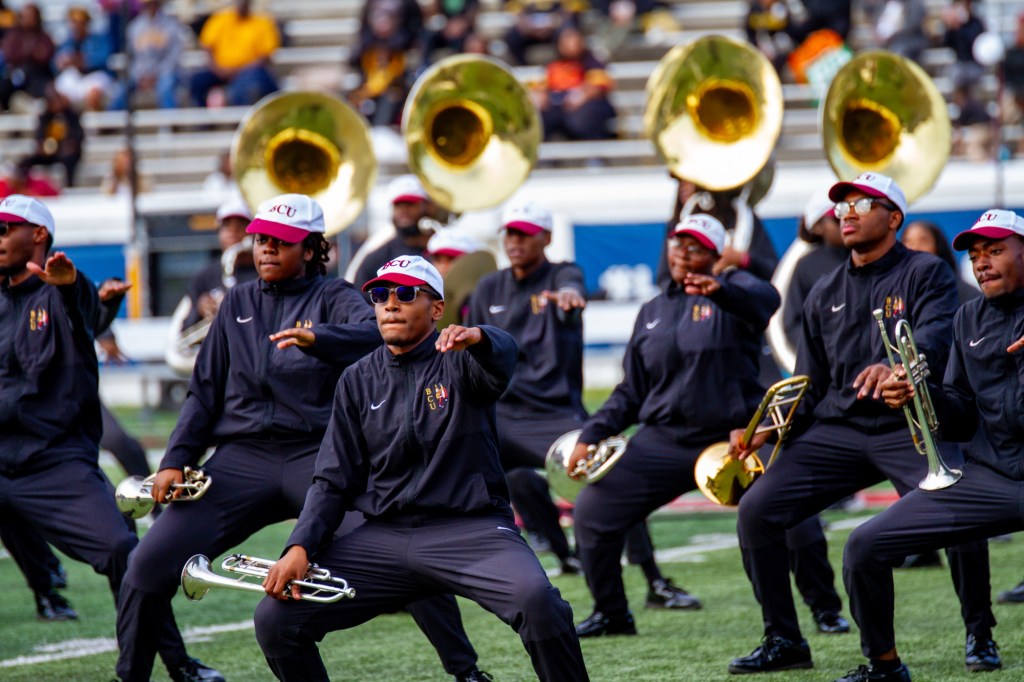
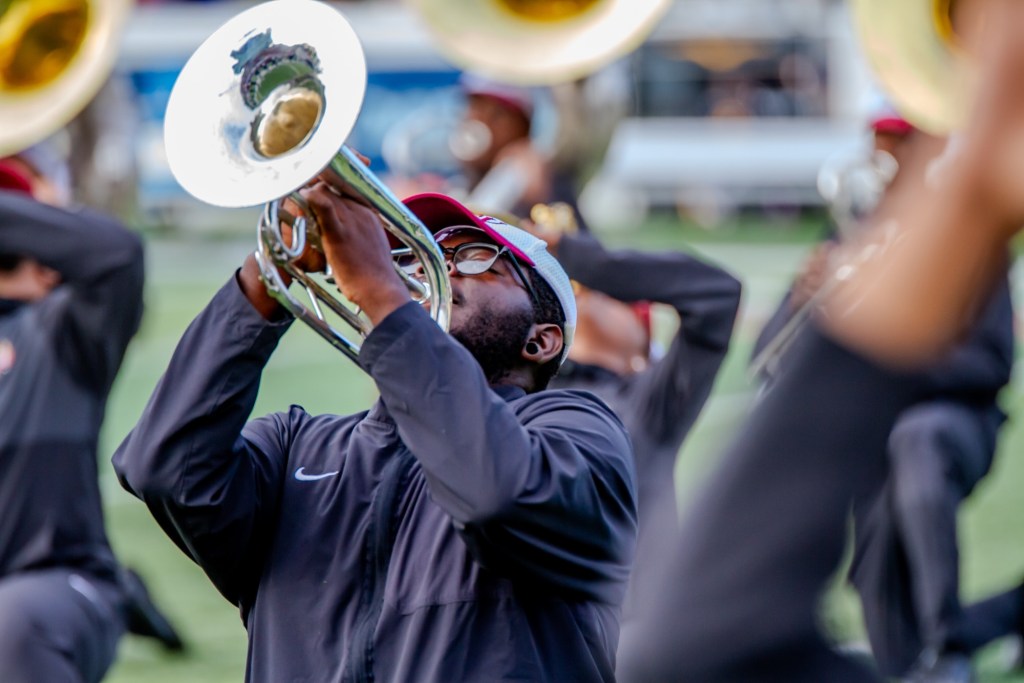
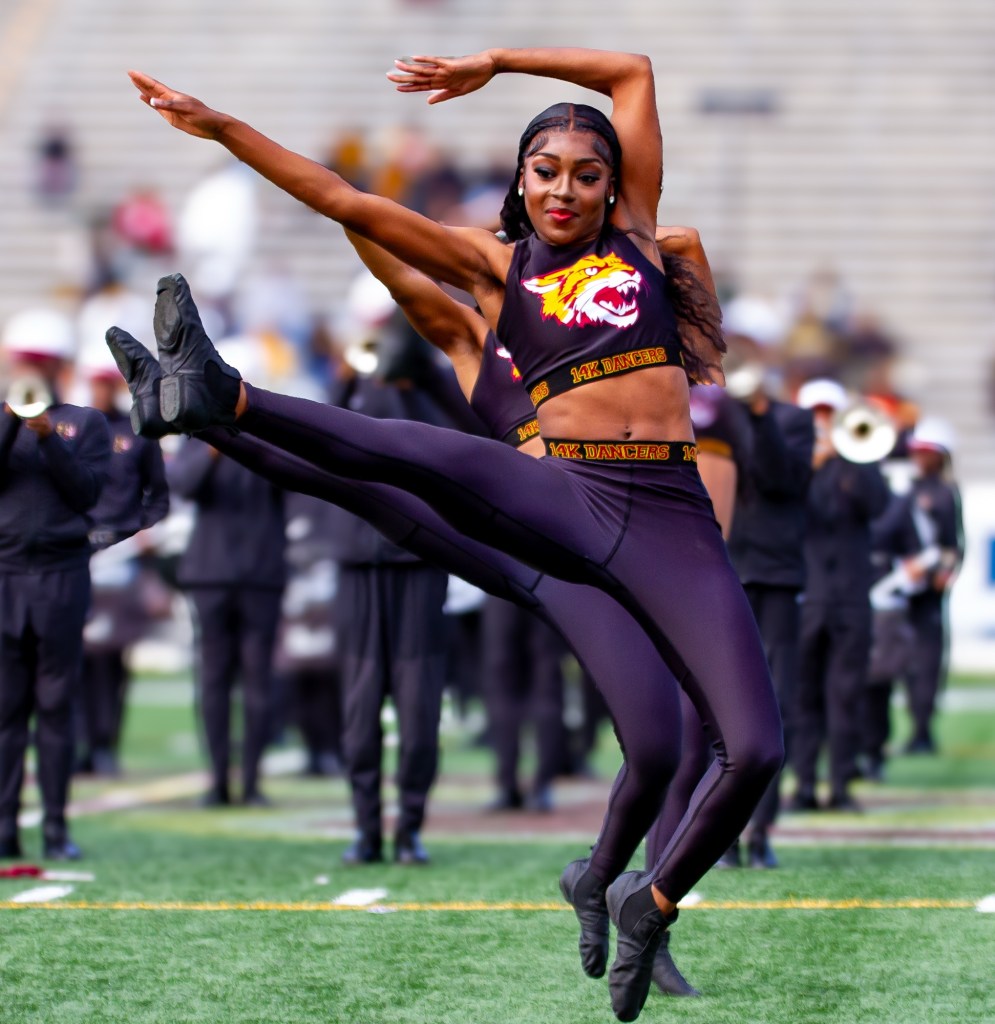
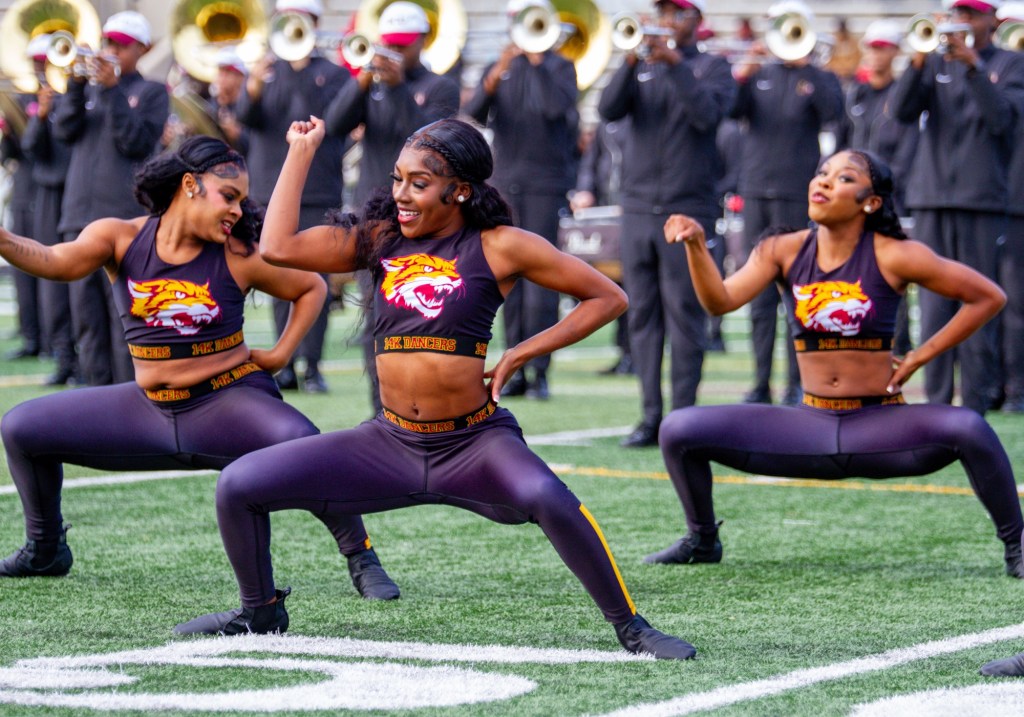
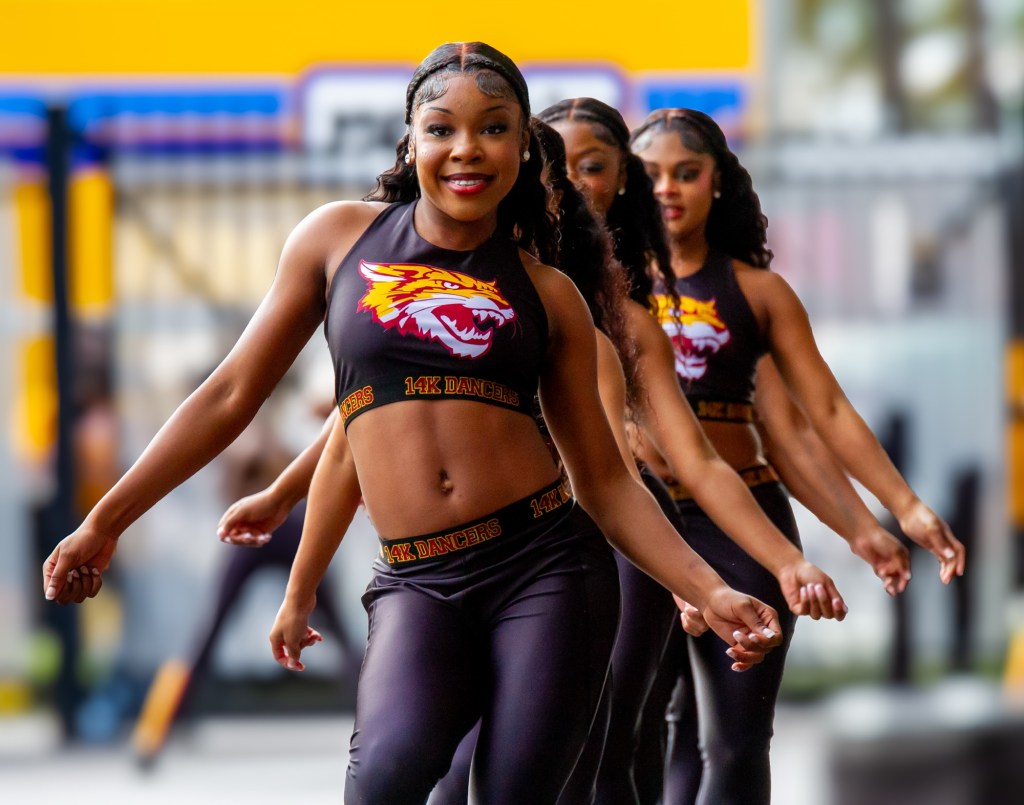
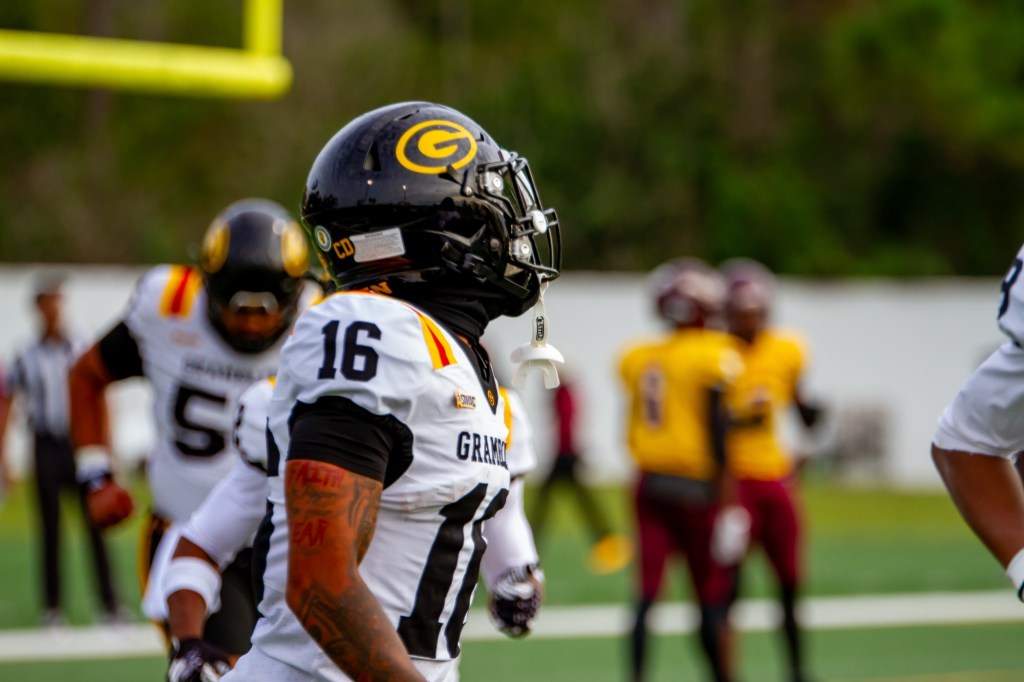
Bethune-Cookman vs Grambling 2026 Game Photos
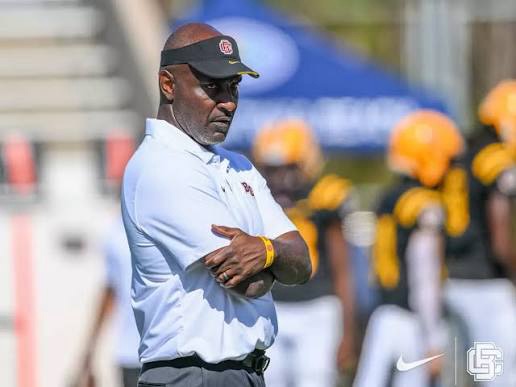
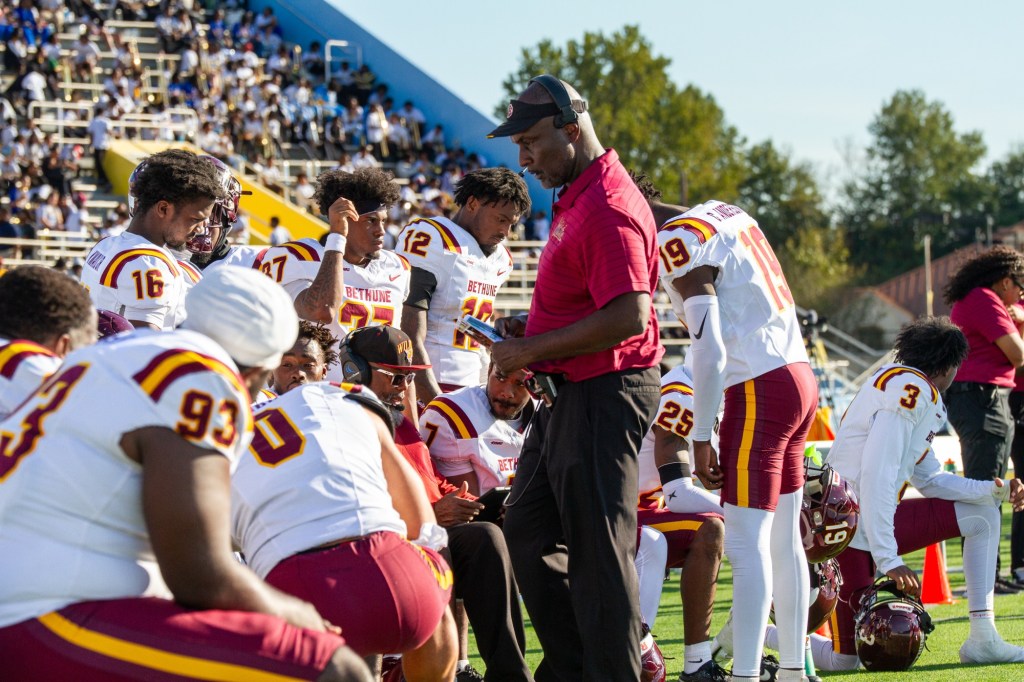
Three weeks ago, Bethune-Cookman was in the thick of the SWAC East race, with first place and a potential path to the Celebration Bowl still within reach. Today, the university announced that it is moving on from Head Coach Raymond Woodie Jr.
That’s how quickly things can change in college football.
The announcement Sunday brings an end to Woodie’s four-season tenure as the 16th head football coach in Bethune-Cookman history. Legendary former Wildcat coach Alvin “Shine” Wyatt will take over on an interim basis, beginning with next Saturday’s Florida Blue Florida Classic.
Woodie’s departure is disappointing, but it deserves a little more context than simply looking at the final record and declaring the experiment a failure.
When Woodie returned to his alma mater in February 2023, he inherited a football program that was dealing with challenges extending well beyond the football field.
Bethune-Cookman was still trying to find its footing after one of the most turbulent periods in the university’s history. The institution’s financial and accreditation struggles, including its probationary status with the Southern Association of Colleges and Schools Commission on Colleges (SACSCOC), had threatened its very existence.
At one point, the university’s leadership publicly warned that the institution’s future depended on getting its financial house in order. The consequences reached virtually every corner of campus. Academic programs, staffing, resources and athletics all felt the impact of the university’s crisis. Athletic programs were eliminated, and the future of the department itself was uncertain.
Woodie didn’t walk into a traditional rebuilding situation. He was inheriting a program that needed to be stabilized while the university worked to stabilize itself.
And to his credit, there were some important accomplishments along the way.
Woodie brought an impressive resume back to Daytona. The former two-time FCS All-American linebacker at BCU spent time coaching at Oregon, Florida State, South Florida, Western Kentucky, and Florida Atlantic. His recruiting experience and relationships across the state were expected to help the Wildcats regain their footing.
His first two seasons were difficult on the scoreboard.
BCU went 3-8 in 2023 and followed that with a disappointing 2-10 campaign in 2024. But there were other measures of progress that deserve recognition.
One of the more significant accomplishments came in the classroom.
During the program’s first full season under Woodie, Bethune-Cookman’s Academic Progress Rate (APR) increased by 91 points. The football team’s cumulative GPA reportedly climbed from 2.4 to 3.25. Of the 120 players in the program, 19 earned a place on the President’s List with a 4.0 GPA.
Those aren’t insignificant accomplishments for a program coming through such a difficult institutional transition.
The improvement reflected a greater emphasis on academic accountability and the responsibility of representing the university beyond the football field.
By 2025, the program appeared to be making progress.
The Wildcats finished 6-6 overall and 5-3 in conference play, good for third place in the SWAC East. The offense ranked fourth in the conference in total offense and offensive efficiency, while the defense finished second in sacks.
There were legitimate reasons for optimism.
For the first time in Woodie’s tenure, BCU had a winning conference record and appeared to be building toward something more substantial.
The year-by-year results tells the story.
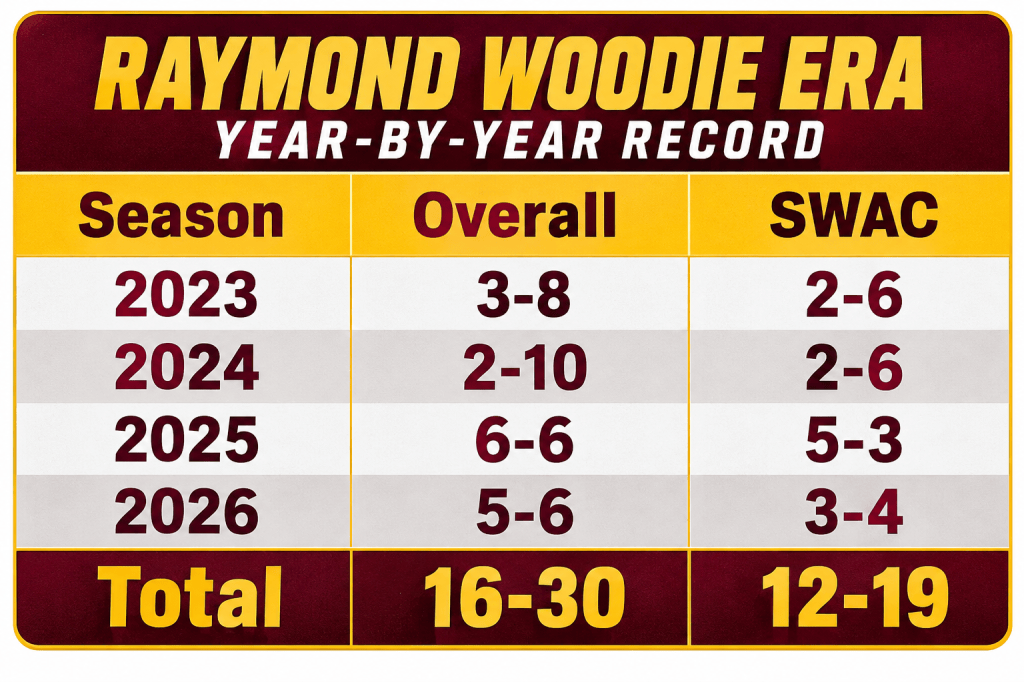
Records through the November 14 Grambling game.
The 2025 season was clearly the high point. Unfortunately, the Wildcats couldn’t sustain that momentum.
The 2026 season started with some familiar concerns.
A 73-6 opening night loss to UCF was an unfortunate reminder of the gap between FCS schools and the resources available to Power Four programs. But the Wildcats responded with victories over Stetson (43-18) and Virginia-Lynchburg (62-3).
There was reason to believe the team could put together a competitive season.
A 31-21 loss to South Carolina State followed, but BCU responded by defeating Alabama State 16-10. That victory was particularly encouraging, giving the Wildcats a 3-2 overall record and a 1-0 start in SWAC play.
Then came the 55-17 loss at Alabama A&M.
The Wildcats bounced back with victories over Mississippi Valley State (34-14) and Jackson State (24-21). The defense held the Tigers to just 33 rushing yards on 36 attempts, and the Wildcats improved to 5-3 overall and 3-1 in conference play.
At that point, the SWAC East race was very much alive.
First place was within reach. A Celebration Bowl appearance was still a possibility.
Three weeks later, the conversation had changed entirely.
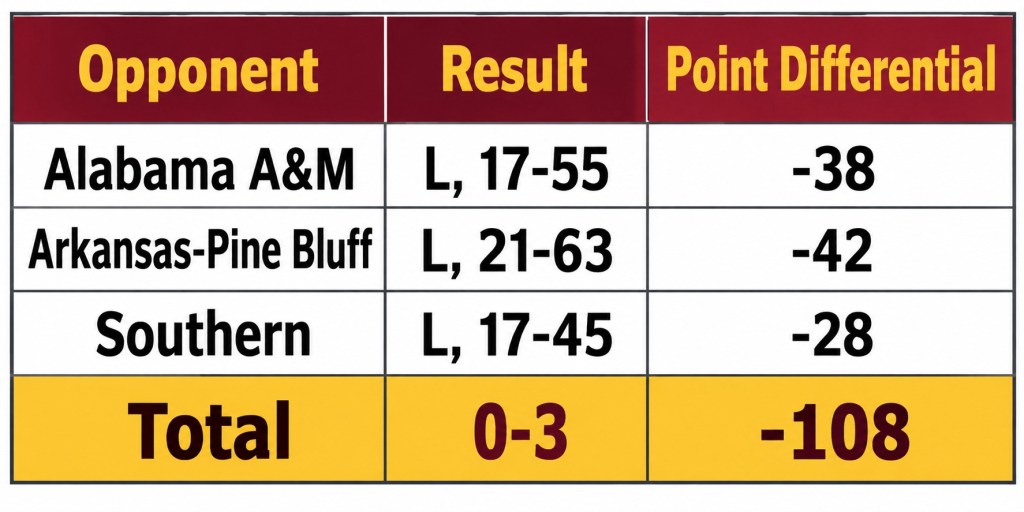
The Wildcats proceeded to lose three consecutive conference games, and not all losses were created equal.
The margin of defeat in those SWAC losses became increasingly difficult to ignore:
After demonstrating the ability to compete with SCSU and defeat Alabama State and JSU, the Wildcats were unable to sustain that level of performance. The losses to Alabama A&M, Arkansas-Pine Bluff and Southern were particularly damaging.
They raised questions about the team’s consistency, preparation, competitive toughness and ability to respond when things went wrong.
The four lopsided conference defeats ultimately proved too much to overcome.
Perhaps that’s the most important part of this discussion.
BCU isn’t a program without a football tradition. It has championship history, an established alumni network, a rich recruiting footprint and a fan base that remembers when the Wildcats were a perennial contender.
The college football landscape may have changed but the expectations associated with the Bethune-Cookman name never disappeared.
Woodie helped stabilize the program during a difficult period. He improved the academic standing of the football program and brought the Wildcats back into the conversation in 2025.
But ultimately, the university wanted more.
In its announcement, the university made clear that its expectations remain high and that its objective is to build a program capable of competing consistently at the top of the SWAC.
That is the standard the next head coach will inherit.
For Raymond Woodie, the opportunity to lead his alma mater has come to an end. His tenure will be remembered for some meaningful contributions to a program that needed them, but also for the inability to translate incremental progress into sustained success on the football field.
And now, the timing couldn’t be more interesting.
With the Florida Classic just six days away, BCU has turned to one of the most recognizable figures in its football history.
Shine Wyatt is back.
There will be time to debate the next head coaching hire, evaluate the roster and examine the direction of the program.
For now, the Wildcats have one more game to play, one more rivalry to settle and an opportunity to finish the season on a high note.
Raymond Woodie’s chapter is closed.
The next chapter of Bethune-Cookman football begins with a familiar face and a very familiar assignment.
Beat FAMU.
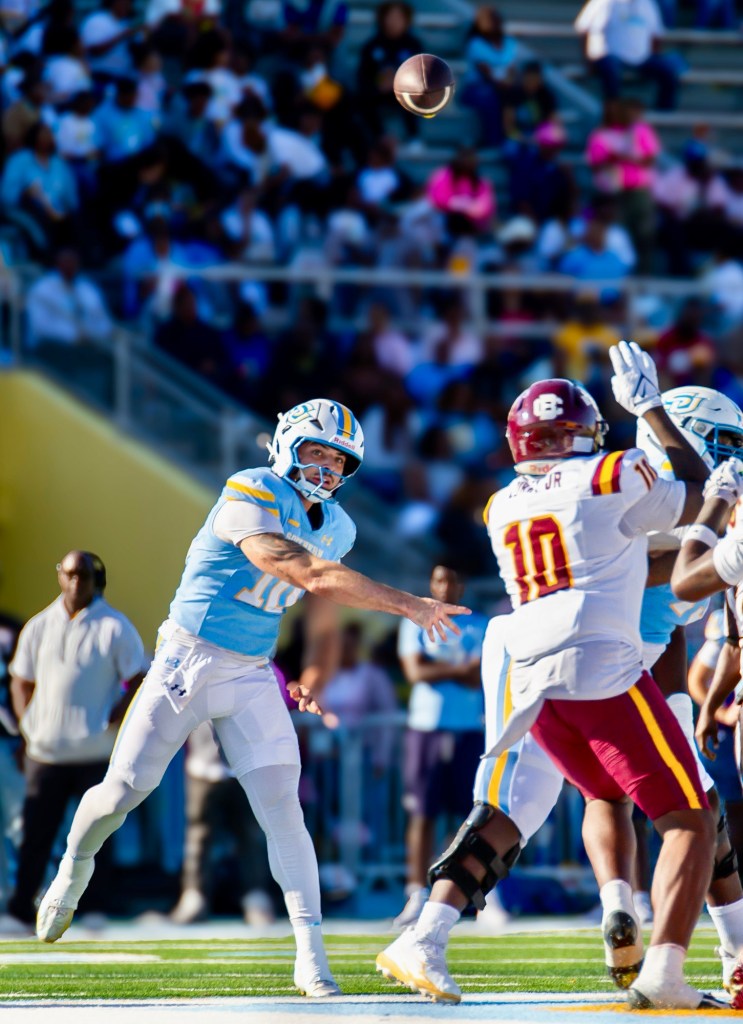
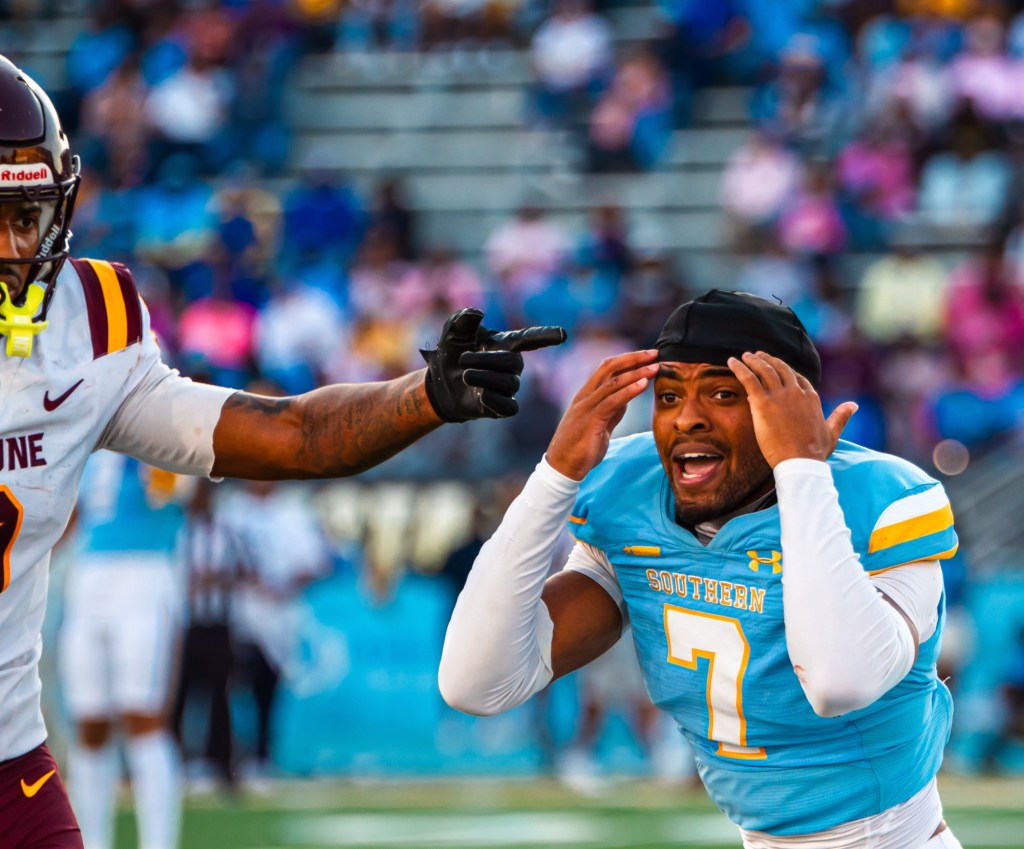
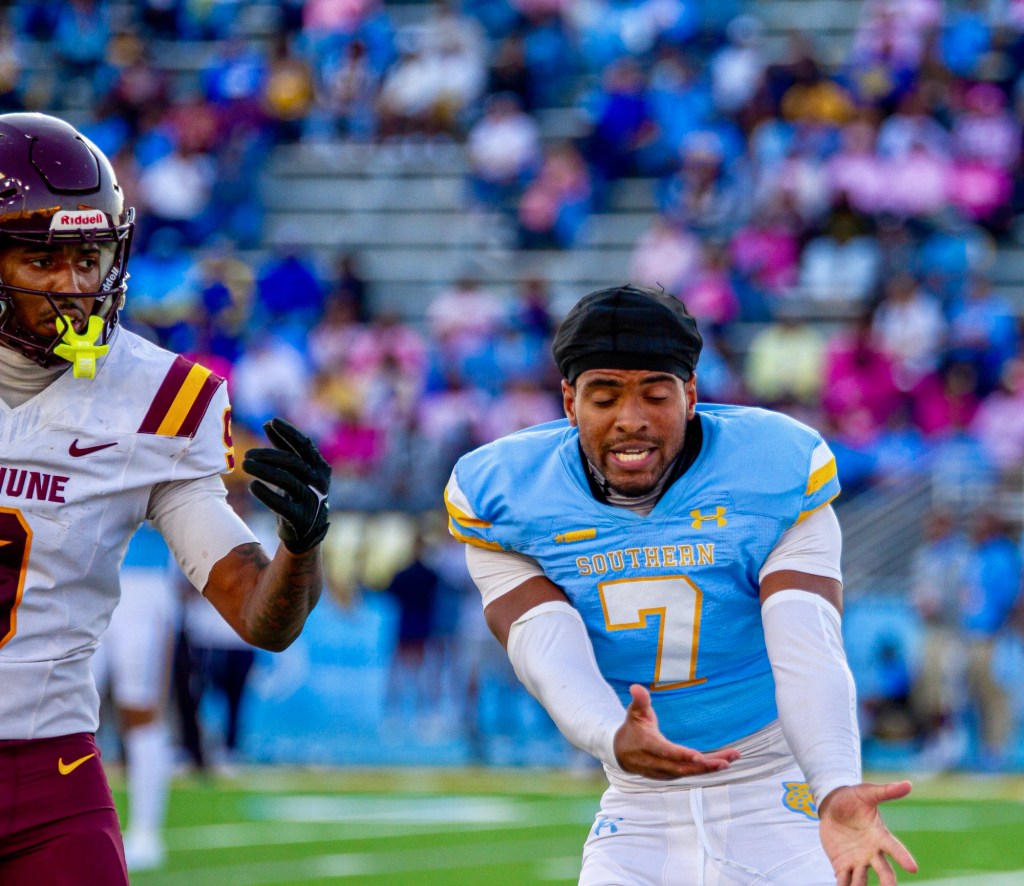
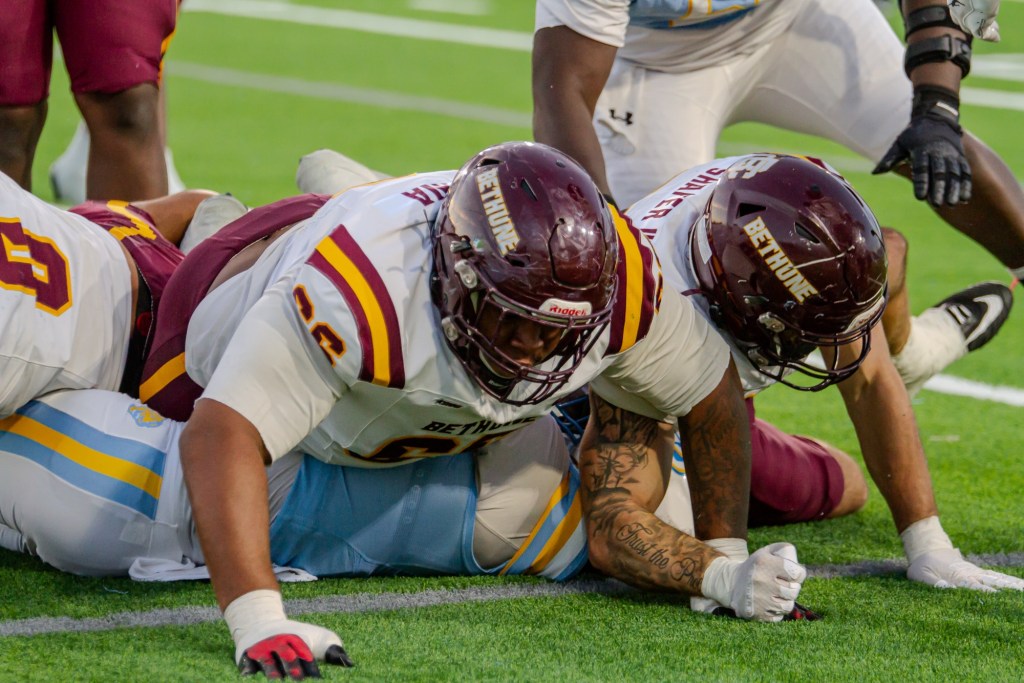
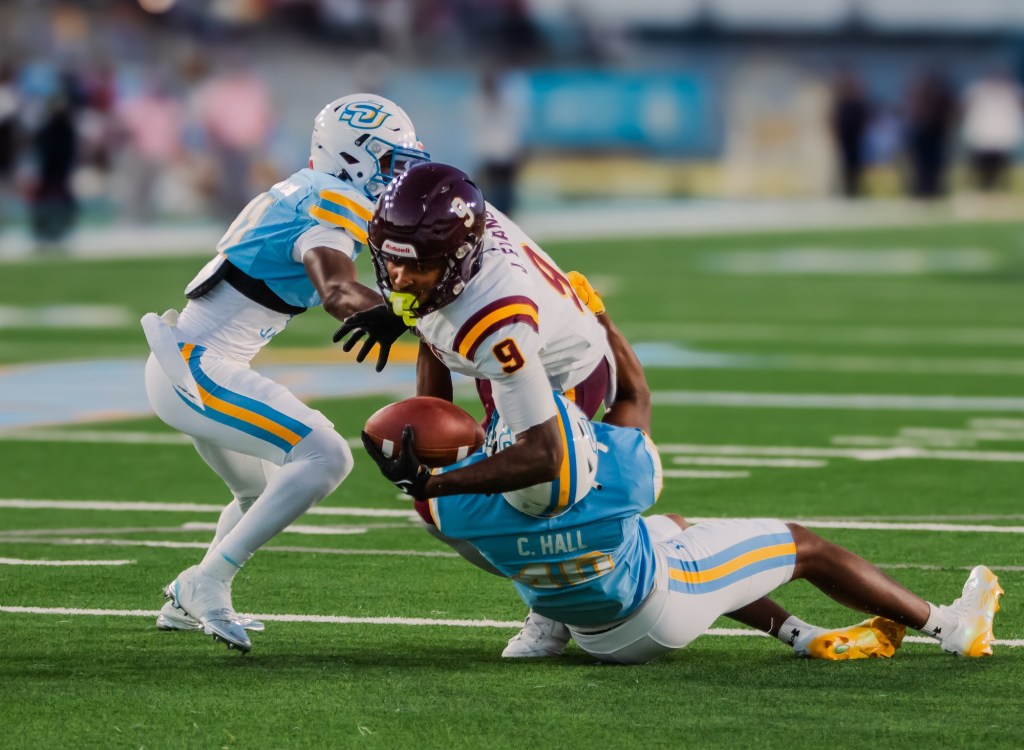
Saturday’s visit to Baton Rouge began with the Wildcats fighting for first place in the SWAC East. It ended with another disappointing chapter in what has become a recurring nightmare on the road.
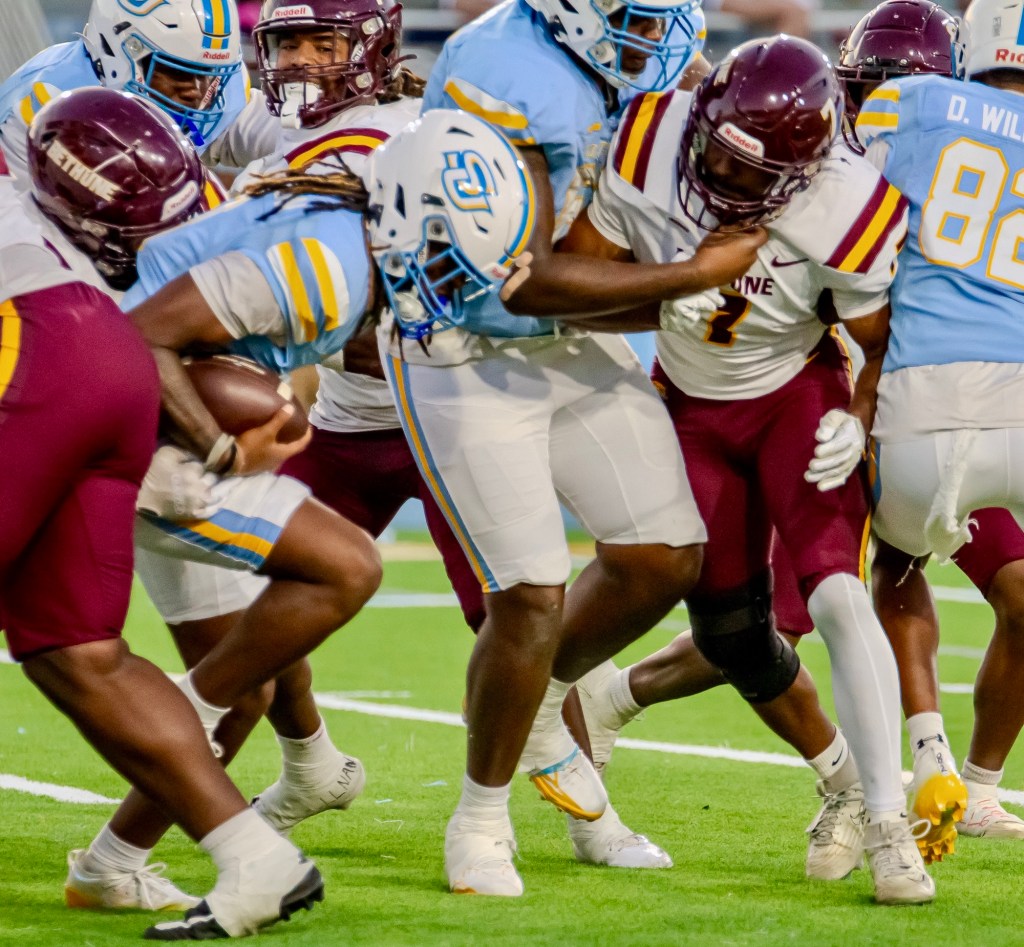
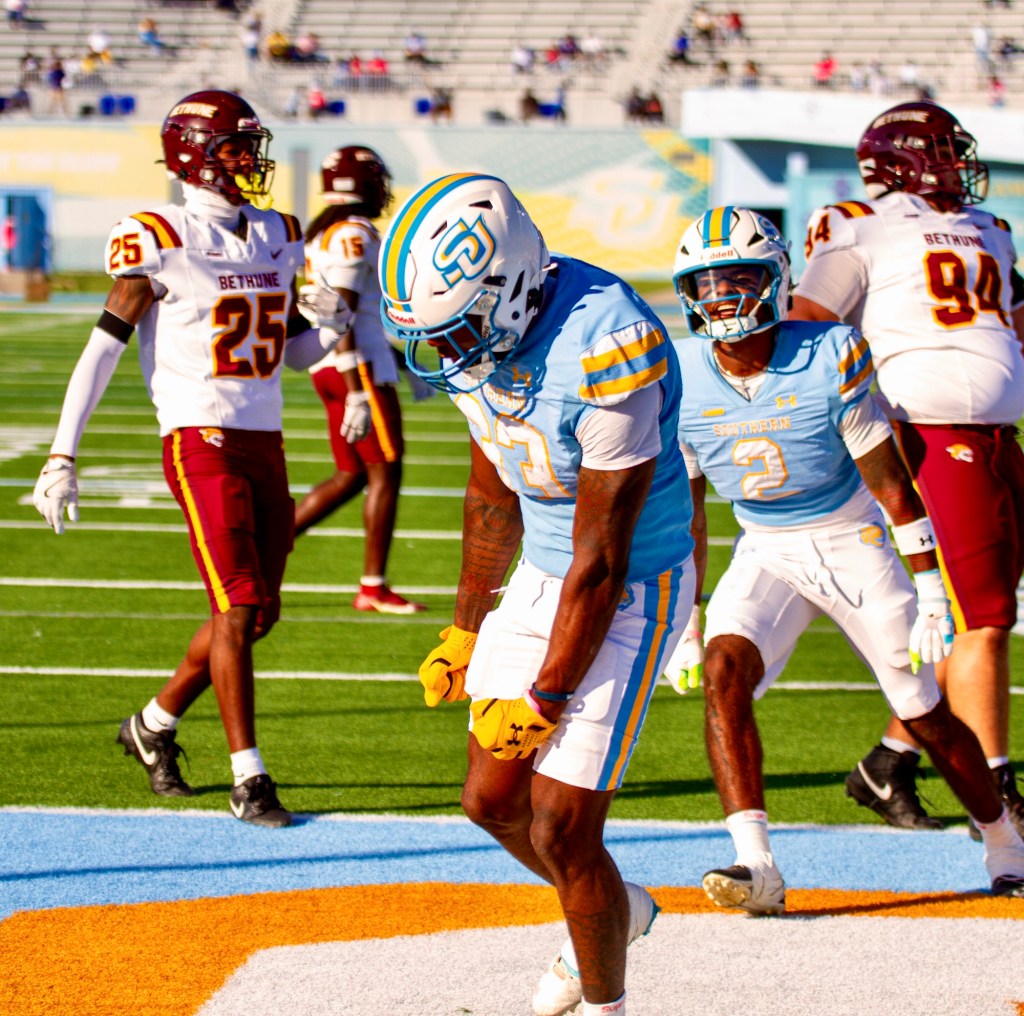
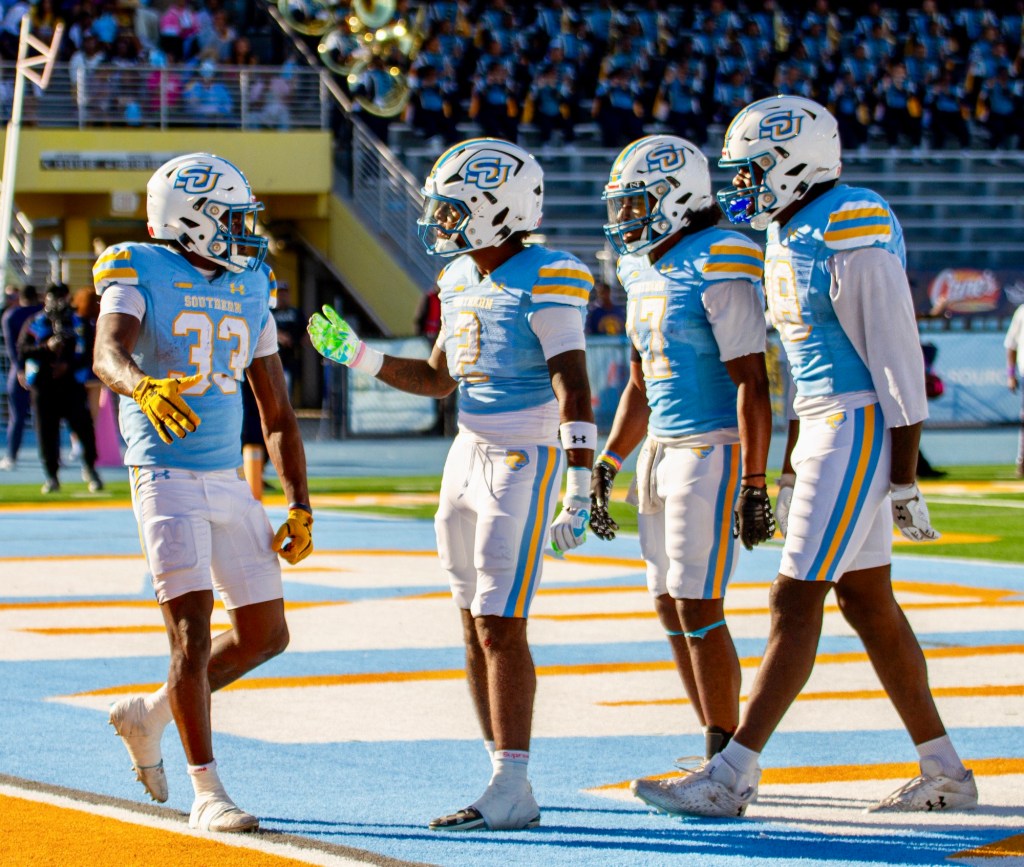
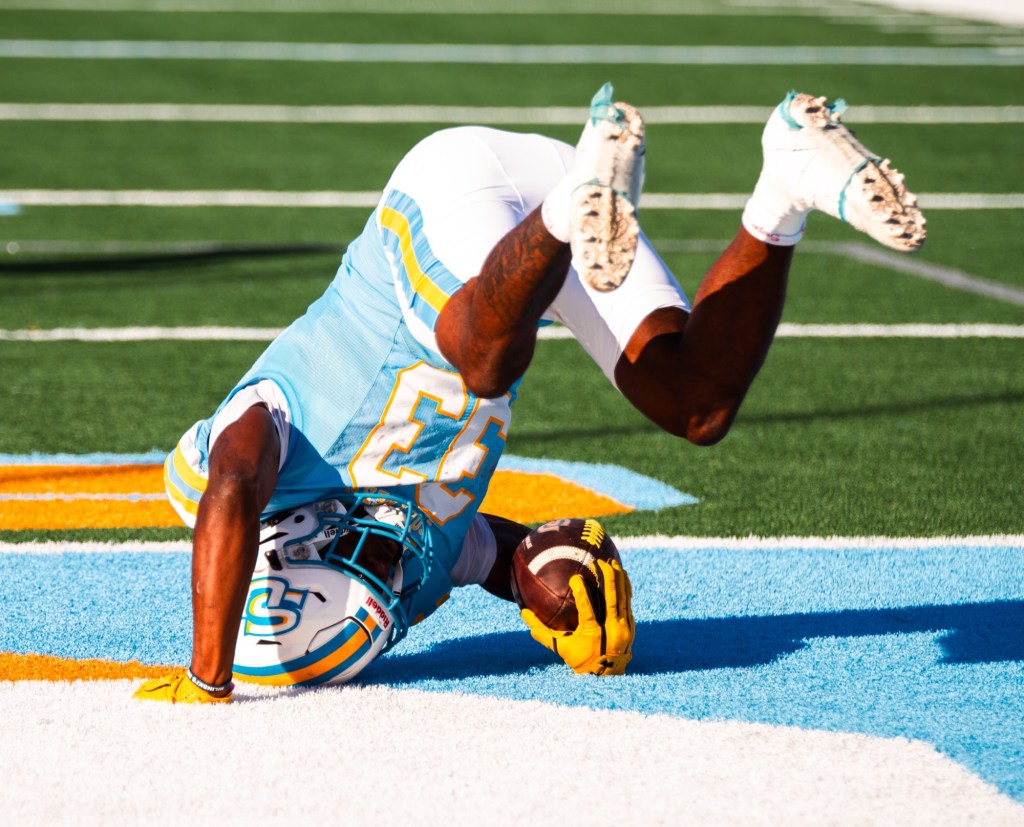
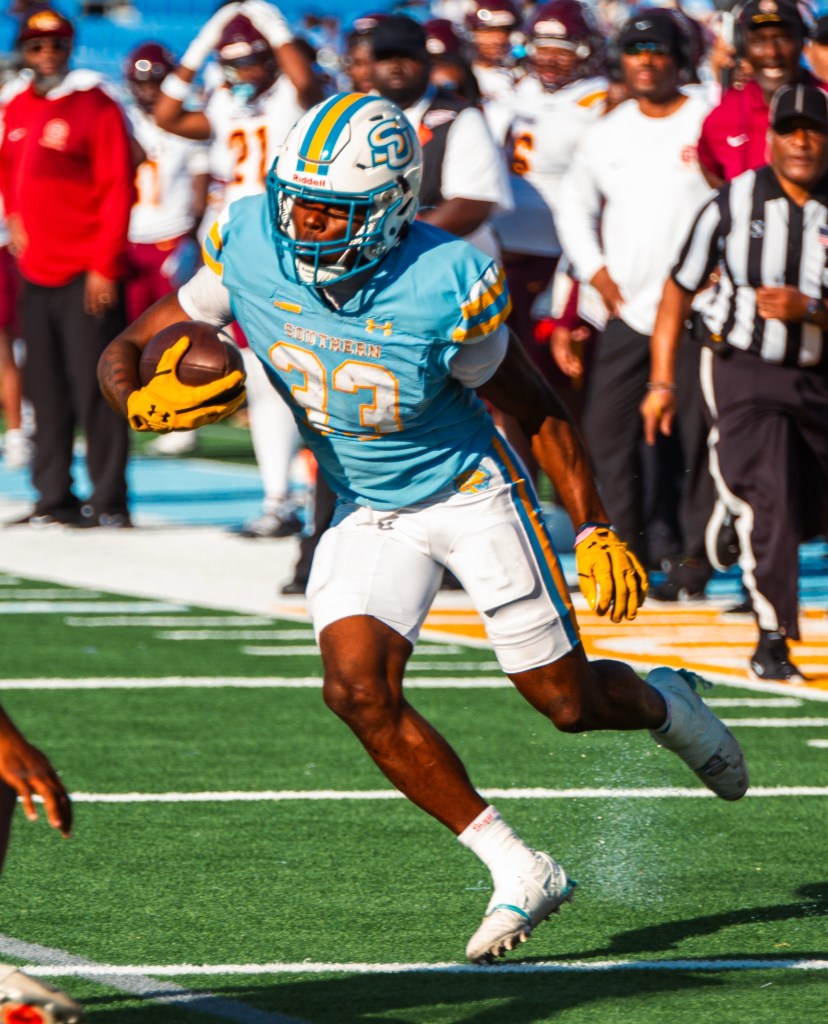
Southern ran through BCU, handing the Wildcats a 45-17 defeat at A.W. Mumford Stadium and sending them home with more questions than answers.
The Jaguars rushed for 381 yards, averaged nearly nine yards per carry and found the end zone with little resistance for much of the afternoon.
It was another lopsided result, but perhaps the most concerning aspect of the loss isn’t necessarily what happened Saturday; it’s what these road performances continue to reveal about the football program.
The Wildcats are running out of healthy bodies, their passing game has struggled to provide a consistent alternative to the running game, and their lack of depth is becoming increasingly difficult to conceal.
The road isn’t creating these problems. It’s exposing them.
There is a temptation to look at Saturday’s result and conclude that BCU simply wasn’t ready to compete. But that’s not the whole story.
The Wildcats are running out of healthy bodies.
Five offensive linemen who have started games for Bethune were unavailable. The defensive front has also been depleted, with multiple guys unavailable to the coaching staff. Quarterback Tyler Jefferson returned to the lineup, but clearly wasn’t operating at full strength.
None of this is an excuse for the results. Every team is dealing with injuries this time of year. But the ability to absorb those injuries is what’s proving to be difficult for BCU.
At some point, you run out of different ways to describe BCU’s road problem.
Different opponents. Different stadiums. Same disappointing result.
And this isn’t simply about winning and losing. It’s about the manner in which some of these defeats have occurred.
In their three SWAC road losses, Bethune has given up 163 points while scoring just 55. That’s an average game score of about 54-18. Ouch!
Bethune has been pretty good running the ball and ranks 3rd in the conference in rushing. The Wildcats have been less dynamic through the air ranking last in the conference passing.
The old adage is points come from the passing game. And this seems to be the case for Cookman. They average just 21.5 points per game against SWAC opponents, including three performances of 17 points or fewer.
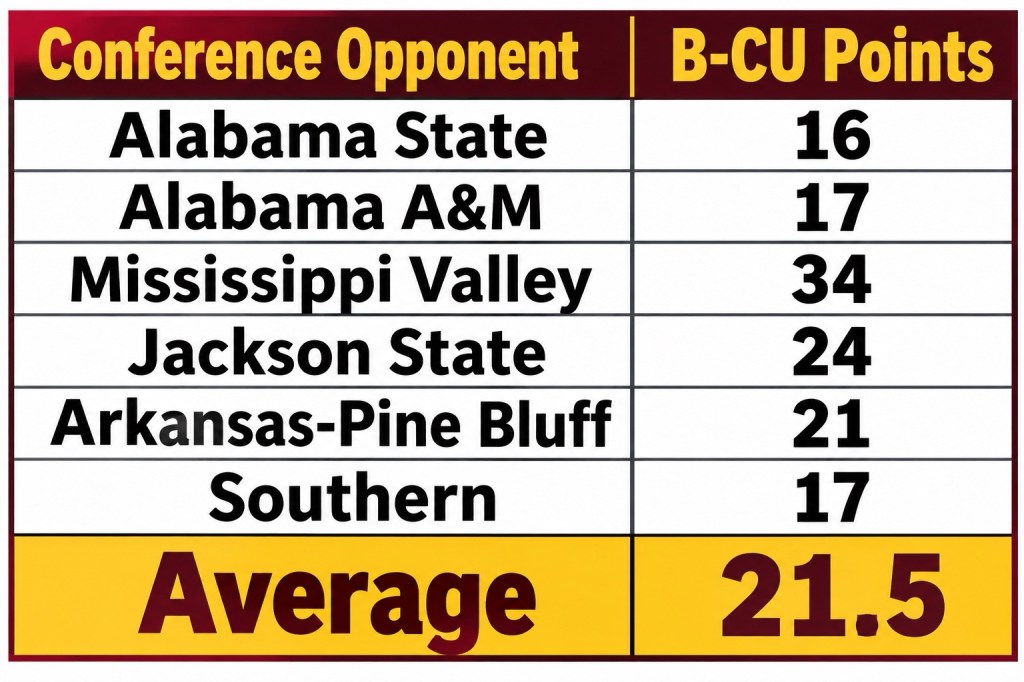
The passing game has struggled to provide the kind of consistent production necessary to keep defenses honest.
That’s particularly problematic when the running game is the foundation of the offense. If opponents can commit numbers to stopping the run without consistently paying a price through the air, the offensive playbook becomes increasingly predictable.
The situation has only become more difficult with the injuries along the offensive line and with Jefferson’s injury limitations.
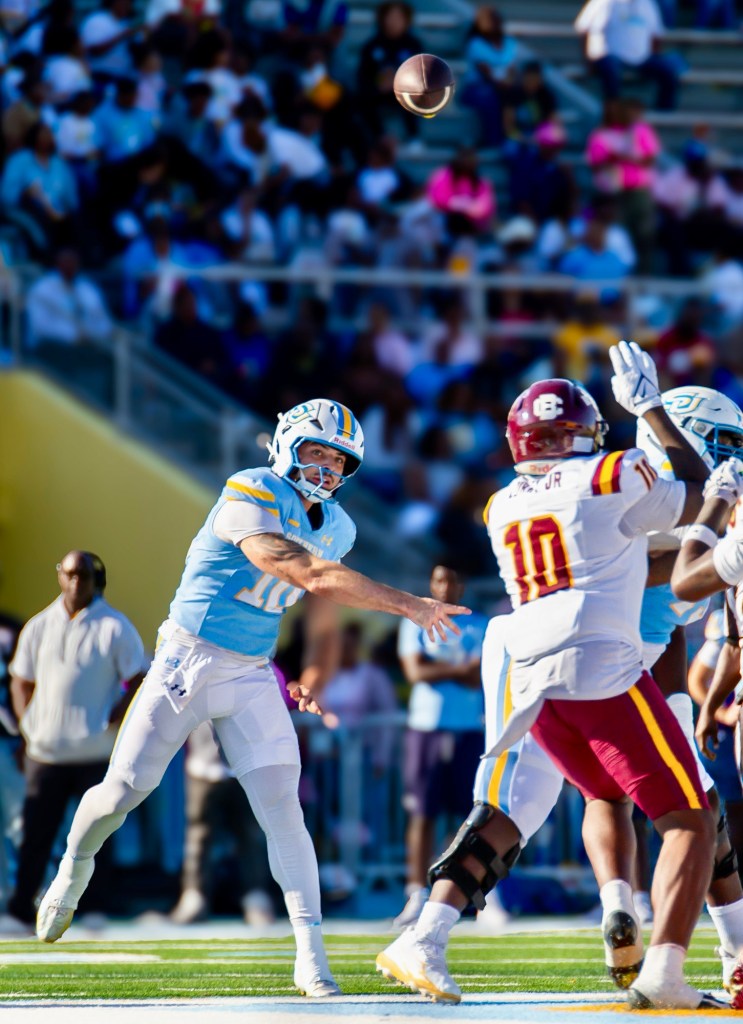
Against Southern, Jefferson finished with 144 passing yards, one touchdown and an interception. He added 20 yards rushing, but the Wildcats managed only 290 yards of total offense.
It’s a difficult combination to overcome. The Wildcats need the running game to establish their offensive identity, but they also need a passing attack capable of punishing defenses that sell out to stop it.
Right now, they haven’t shown enough consistency with this balance.
Southern rushed for 381 yards Saturday, led by Trey Holly’s 206 yards and two touchdowns. Macario Dade added another 104 yards on just four carries, including a 70-yard touchdown run.
This comes a week after UAPB rushed for over 300 yards on the Wildcats.
Those numbers are difficult to explain away. But they clearly point to why this team has fallen on tough times the past two weeks
Despite the disappointment of the last two Saturdays, the season isn’t over.
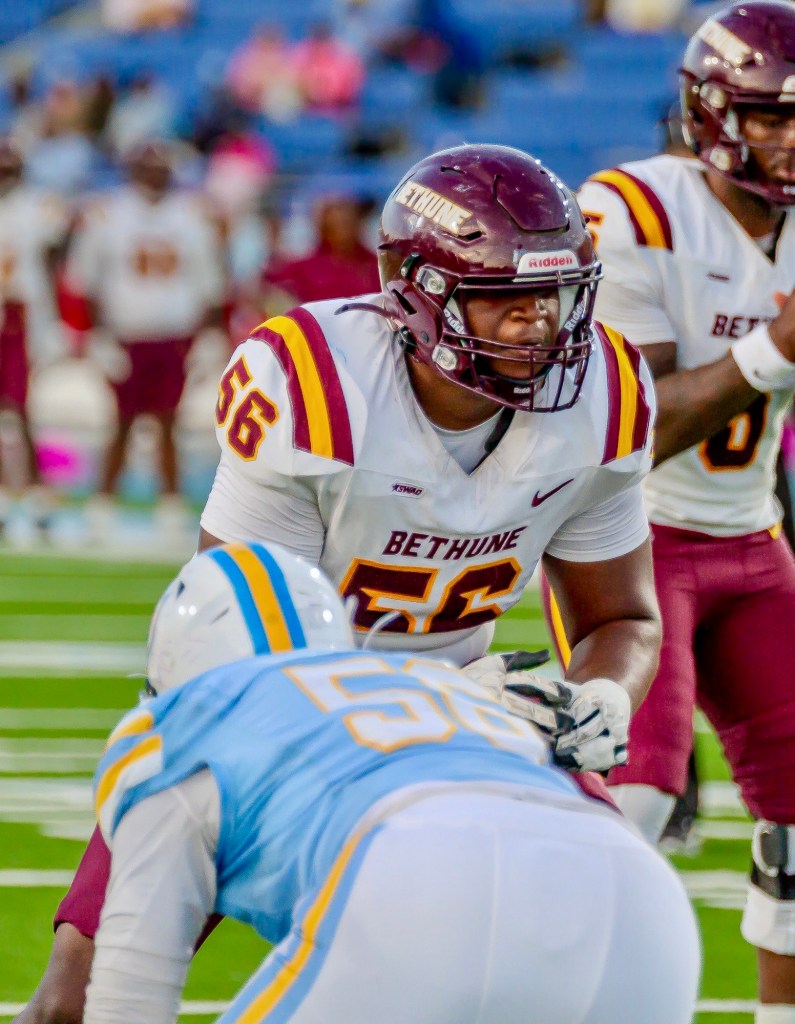
Bethune-Cookman enters the final stretch at 5-5, with remaining games against Grambling and Florida A&M.
The Wildcats need to win both games to improve upon last season’s 6-6 record and secure the first winning season of the Raymond Woodie Jr. era.
That’s not an insignificant accomplishment.
A winning record would represent tangible progress in a program still working to establish its footing in the SWAC.
Thankfully neither of those contests are on the road. GSU visits Daytona Stadium this weekend where Bethune has won 8 straight SWAC home games.
Let’s hope our guys can keep it up and finish the season strong.
Hail Wildcats!
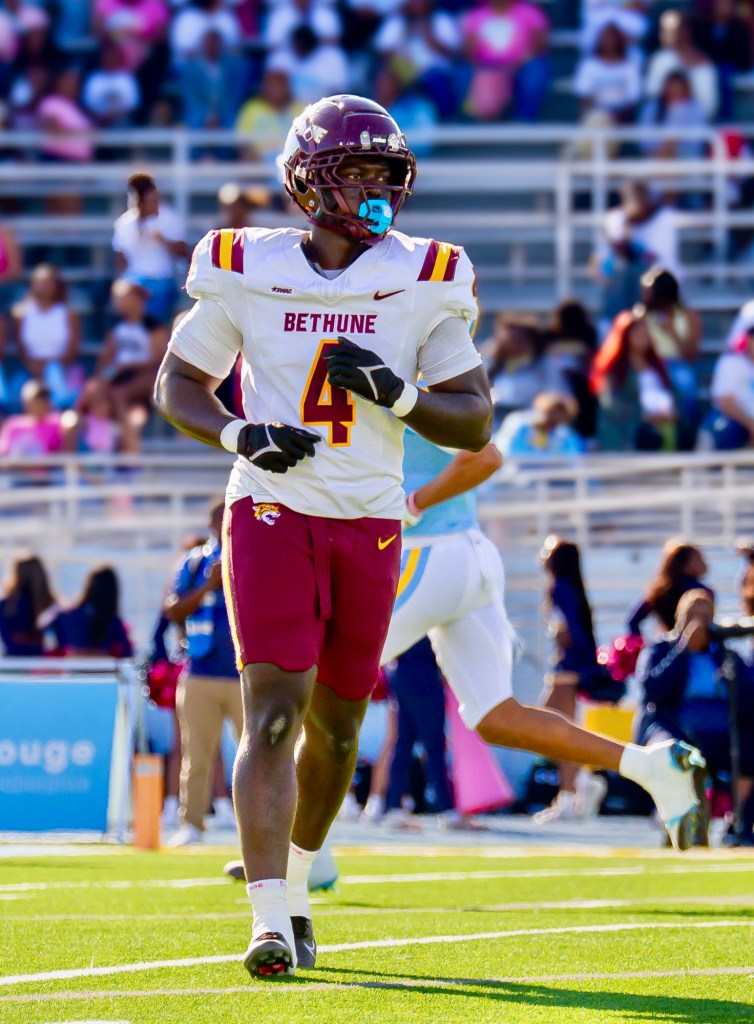
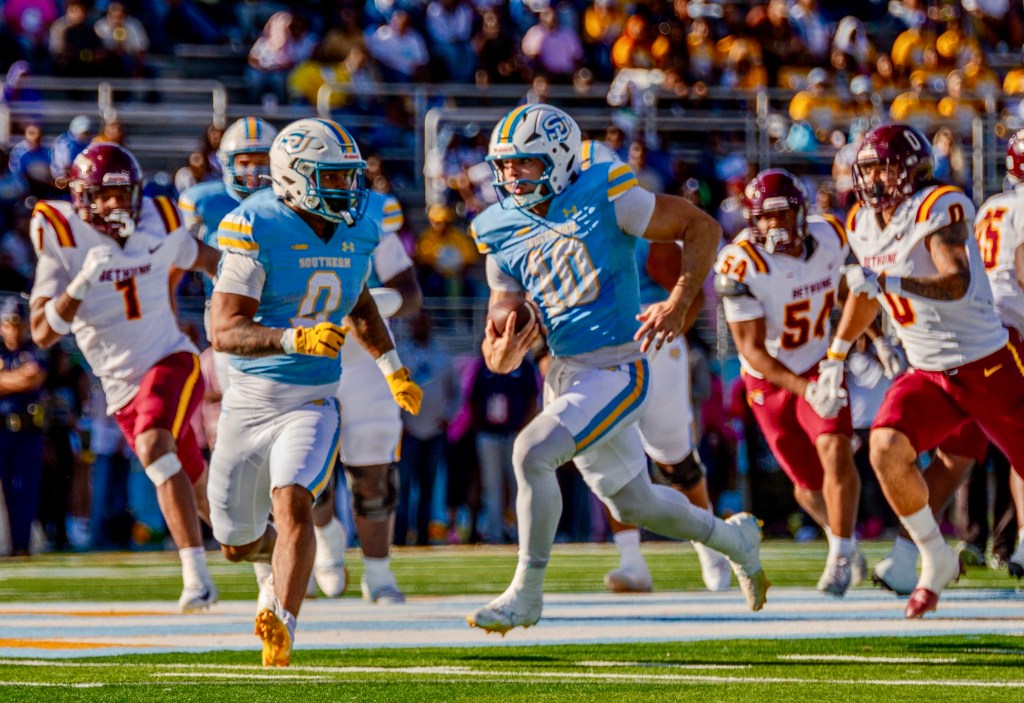
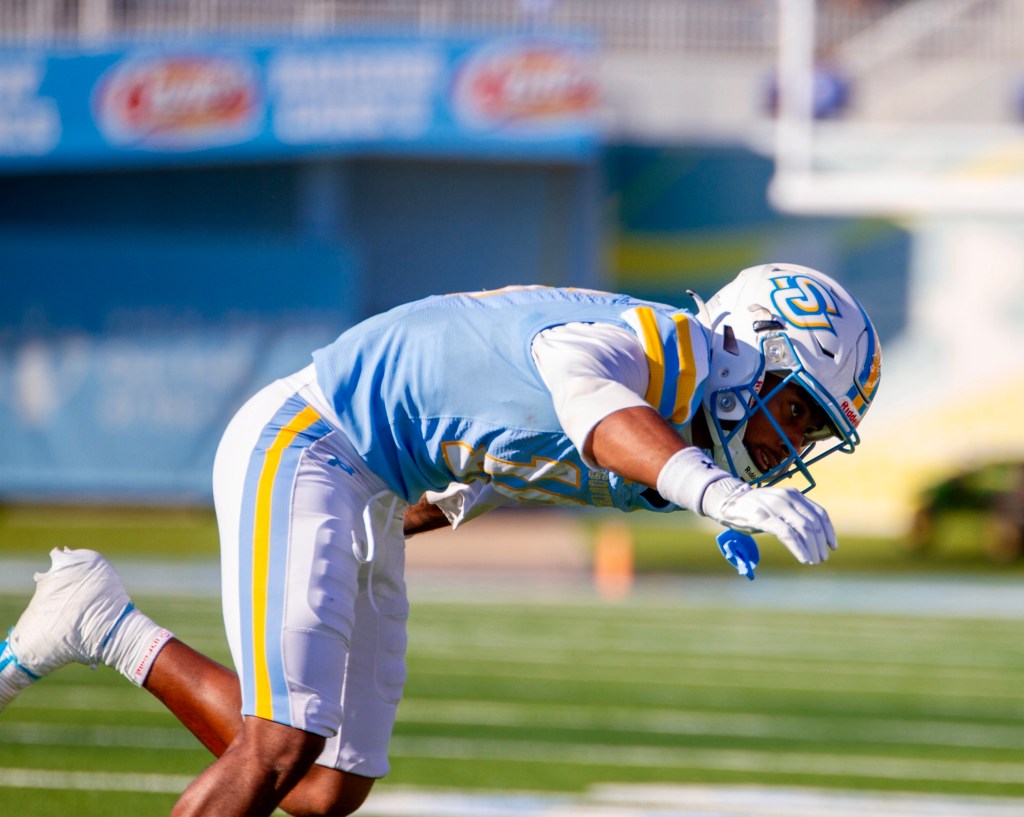
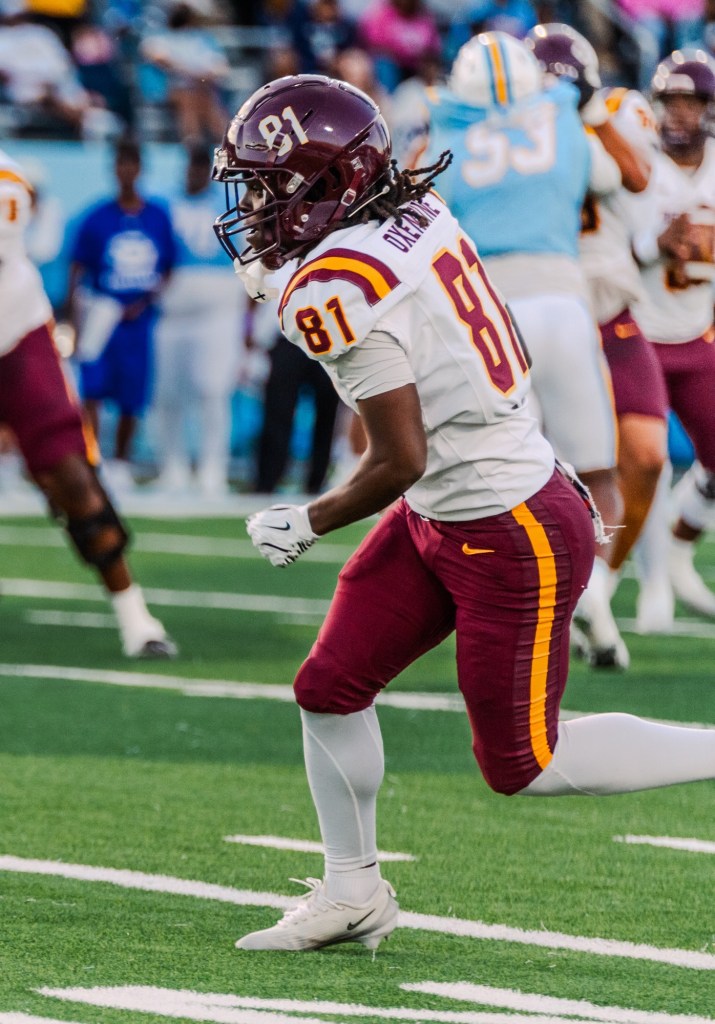
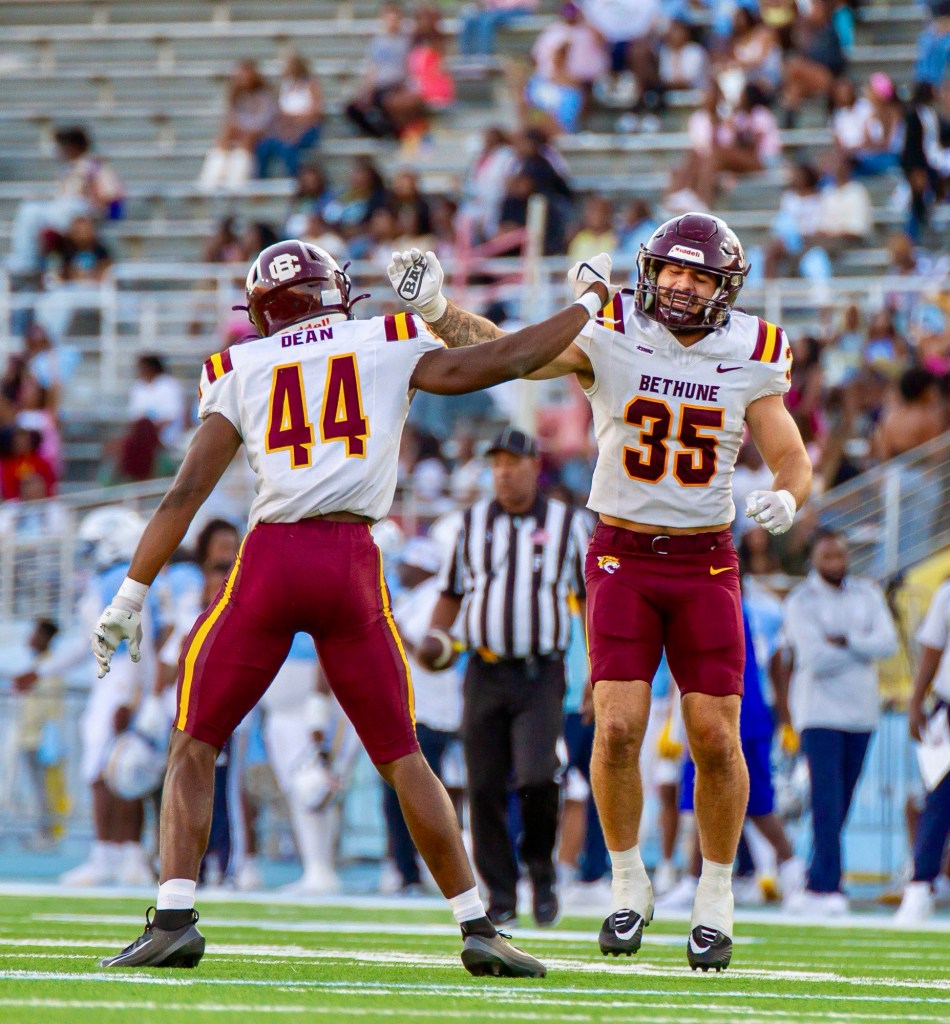
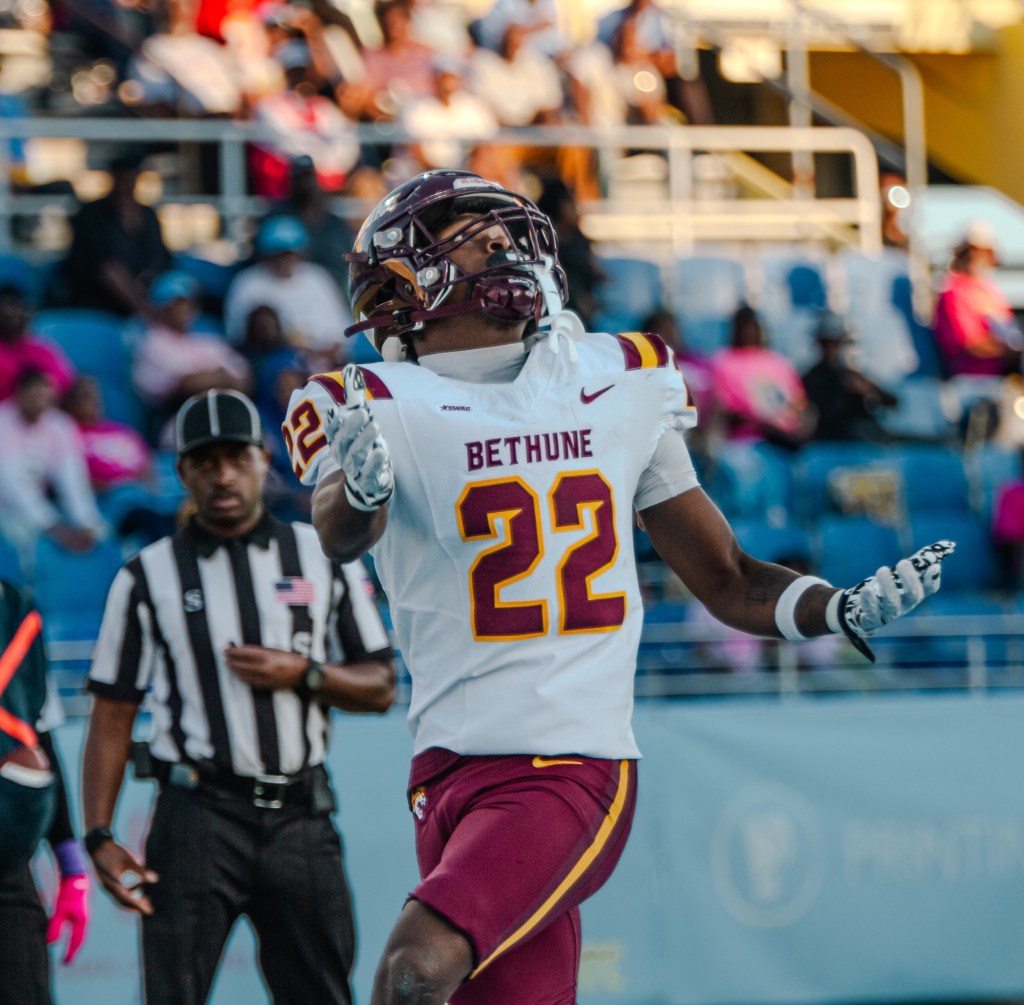
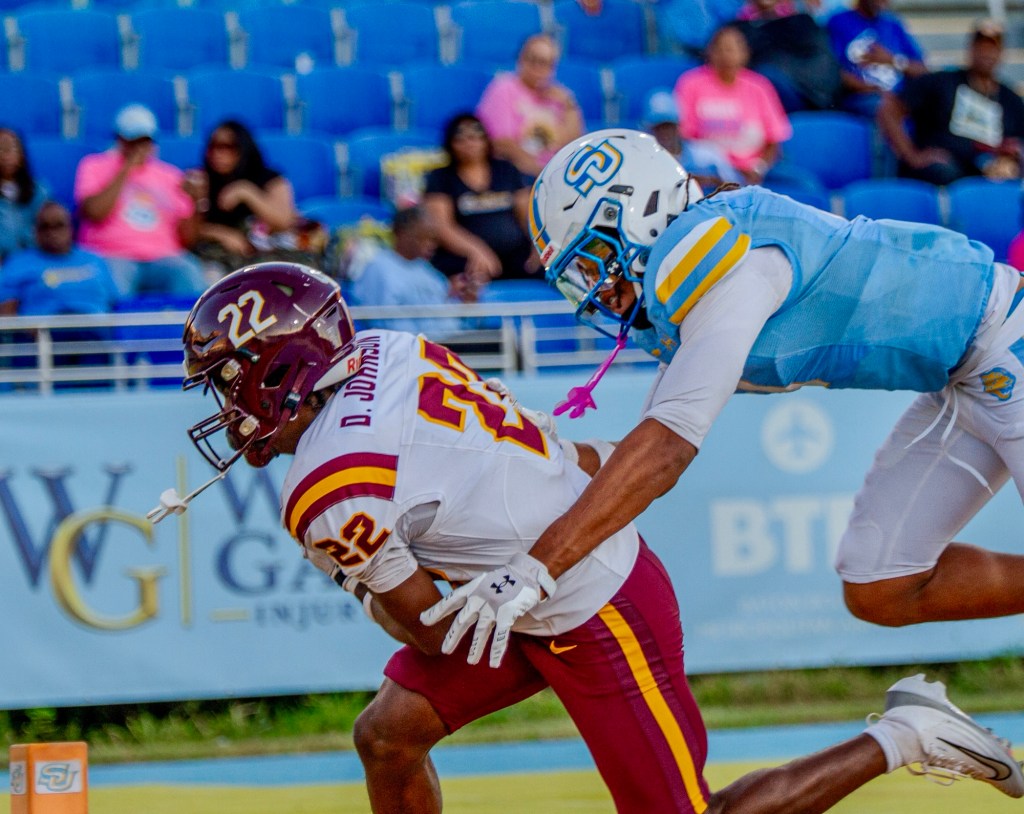
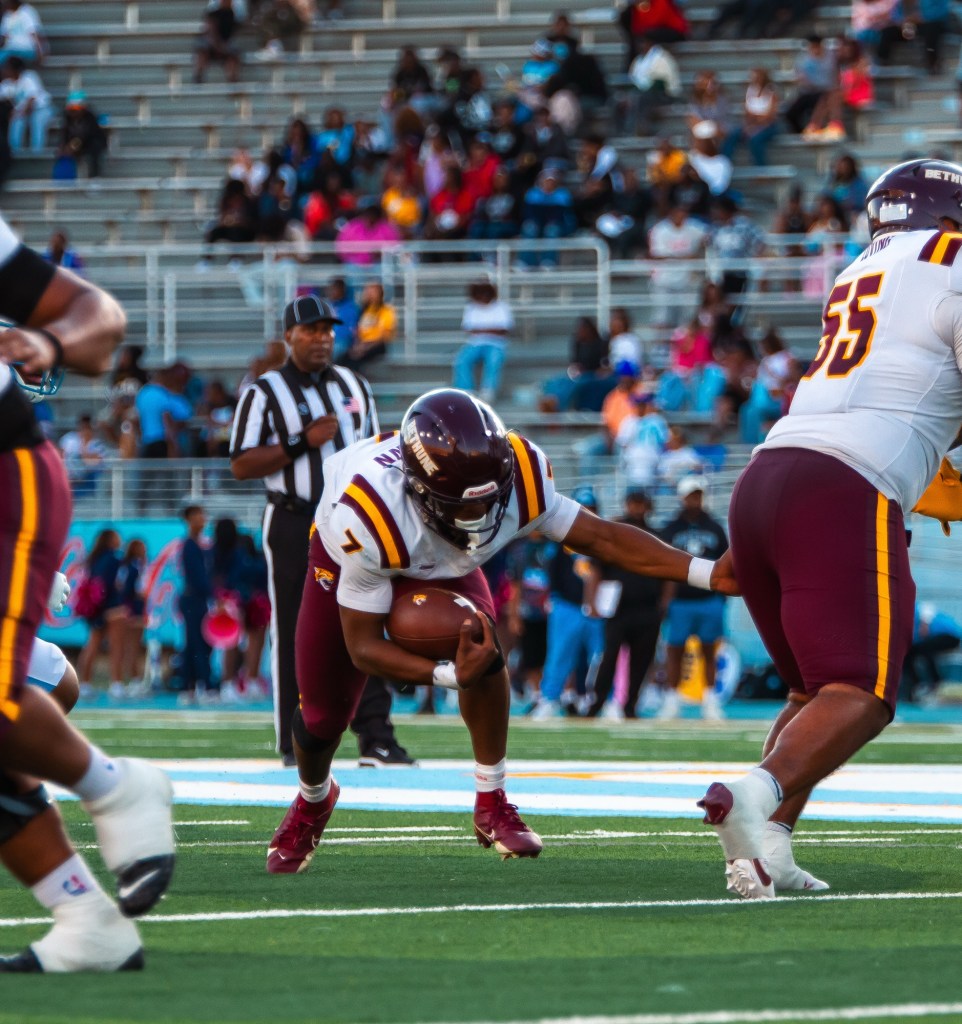
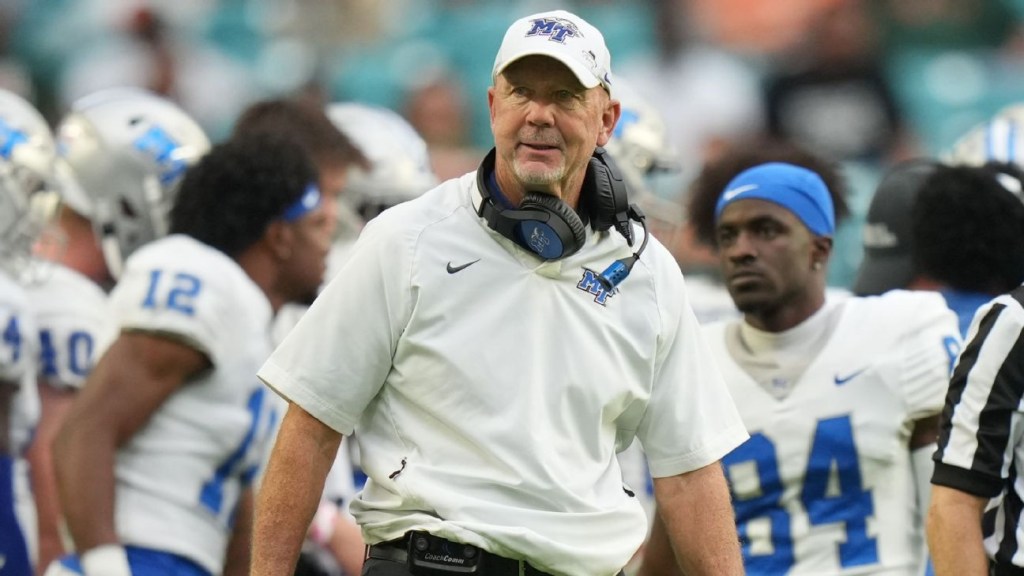
A familiar name to Bethune-Cookman football fans is stepping into one of college football’s most prominent positions.
When Florida State made the decision to part ways with Mike Norvell on Sunday and turn the program over to interim head coach Rick Stockstill, the announcement naturally drew attention across the nation.
But for those who follow Bethune-Cookman football, this story perked our ears for another reason.
Long before the 18 year head coaching tenure at Middle Tennessee State, the 10 bowl appearances, the conference championships and the stops at Clemson, East Carolina and South Carolina, Rick Stockstill’s coaching journey began in Daytona Beach at BCU.
In 1983, Stockstill landed his first collegiate coaching position as the Wildcats’ offensive coordinator and quarterbacks coach. He was just beginning what would become a four-decade career in college football.
And he landed in a pretty good place to learn the profession.
Stockstill’s first coaching opportunity came under the direction of legendary BCU head coach Larry Little.
Little, a Pro Football Hall of Famer who made his name as one of the premier offensive linemen with the Miami Dolphins before returning to his alma mater in 1983 to lead the BCU program.
Stockstill spent the 1983 and 1984 seasons working alongside Little, helping develop an offense led by one of the most prolific quarterbacks in the history of the program, Bernard Hawk.
The 1984 Wildcats captured their first MEAC championship.
But Stockstill’s connection to Little represents something bigger than a MEAC crown. It places him within one of the most impressive coaching trees in HBCU football.
In HBCU football, there are coaching trees, and then there is the Larry Little coaching tree.
Little’s fingerprints can be found throughout the coaching landscape, particularly among a generation of coaches who went on to lead programs and shape the next generation of players.
The list includes some familiar names.
Alvin “Shine” Wyatt, Sam Washington, Trei Oliver, Dawson Odums, Shawn Gibbs and Adrian “AJ” Jones are all offshoots of the Little tree.
Stockstill belongs to that family too.
That is quite a coaching tree if you ask me.
If there is one game from his Bethune experience that has followed Stockstill throughout his coaching career, it is the October 6, 1984, matchup against Georgia Southern at the Gator Bowl in Jacksonville.
Over the years, Stockstill has frequently referenced the contest as one of the most memorable games he has ever been a part of.
It is easy to understand why.
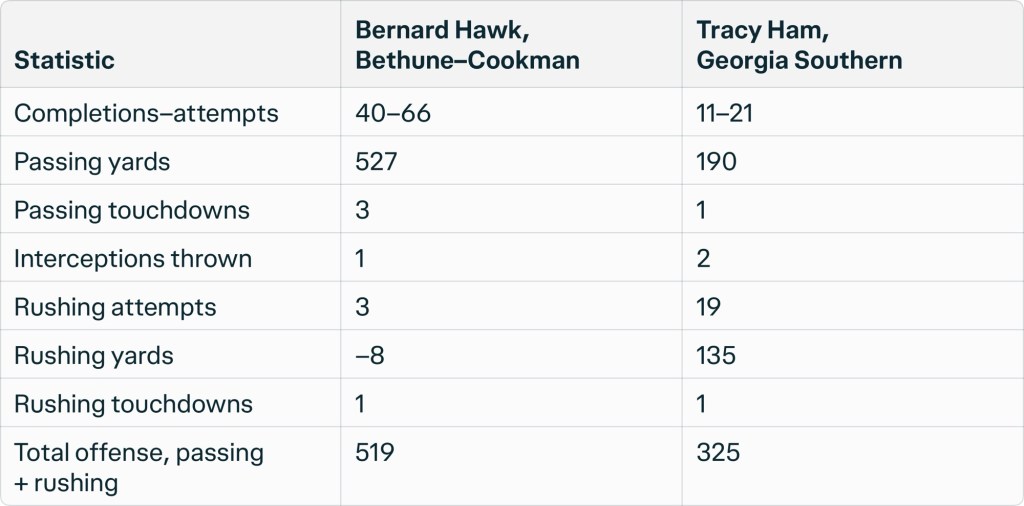
On one sideline was Cookman’s Bernard Hawk. On the other was Georgia Southern quarterback Tracey Ham, who would eventually be inducted into the College Football Hall of Fame.
What followed was an offensive showcase that remains part of the historical conversation surrounding both programs.
Hawk accounted for over 500 yards of offense, Ham over 300.
Quarterback Comparisons:
Team Stats:
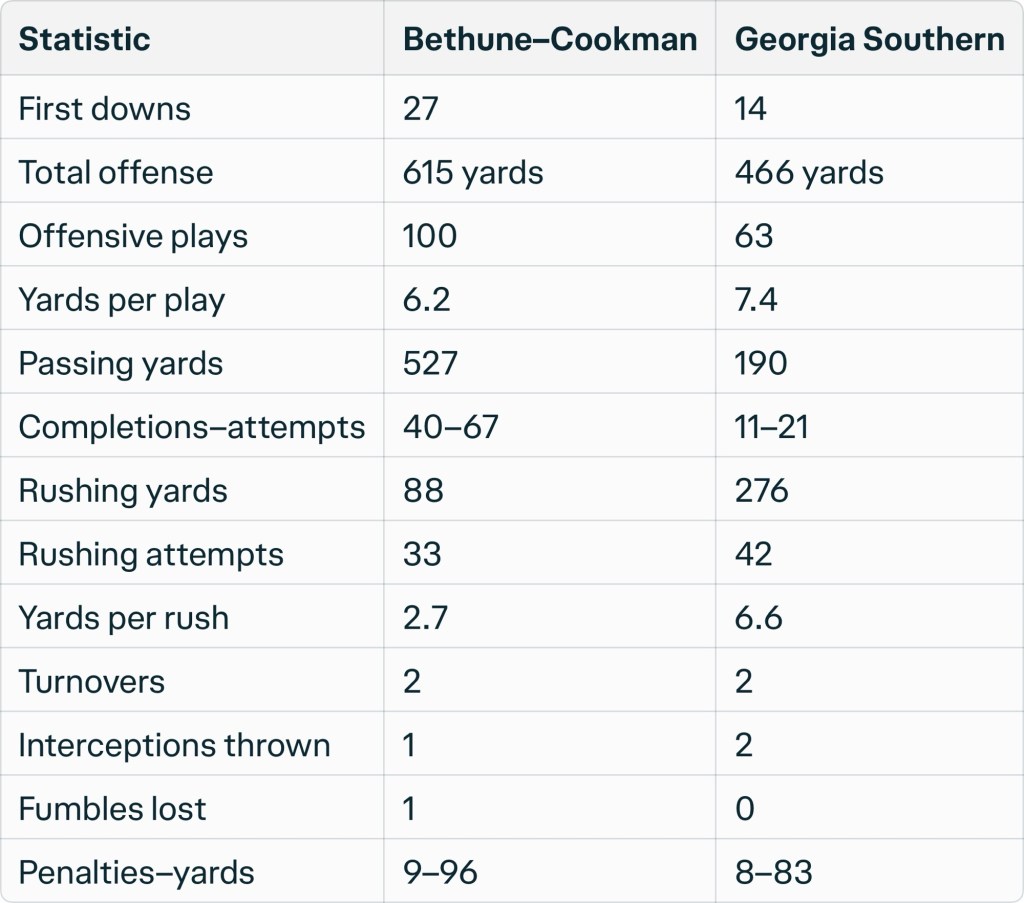
Bernard Hawk’s 527 passing yards and 40 completions remain among the most extraordinary single-game performances in Wildcat football history. Leon “Speedy” Gonzalez added 15 receptions for 222 yards, another remarkable performance.
GSU went on to win that contest 43-33.
For Stockstill, it was the kind of football experience that stays with a coach long after the final whistle.
After leaving Bethune, Stockstill moved to UCF, where he served as assistant head coach and wide receivers coach. He subsequently spent 14 seasons at Clemson, followed by stops at East Carolina and South Carolina.
In December 2005, he received his first opportunity to lead a program when Middle Tennessee State hired him as its head coach.
What followed was an 18-year tenure that produced 113 victories, 10 bowl appearances and three conference Coach of the Year honors.
His team defeated No. 25 Miami 45-31 in 2022, giving Middle Tennessee its first victory over a nationally ranked opponent in program history.
After departing Middle Tennessee following the 2023 season, Stockstill returned to his alma mater, Florida State, in January 2024 as director of scouting for offense.
Now, nearly 43 years after beginning his coaching career at Bethune-Cookman, he finds himself leading the Seminoles through one of the most challenging transitions in the program’s recent history.
Stockstill brings considerable experience to the position; and he understands Florida State. He played quarterback for the Seminoles from 1977-81 under Bobby Bowden, captained the 1981 team, and was inducted into the Florida State Athletics Hall of Fame in 2019.
It is extremely satisfying to know Stockstill’s coaching journey began at BCU. His first opportunity came under Larry Little. He worked with legends like Bernard Hawk and he became part of a coaching lineage that continues to influence the HBCU game.
Congratulations to Coach Rick Stockstill on his appointment as Florida State’s interim head coach.
Your Wildcat family will certainly be watching.
Hail Wildcats!

